
Understanding SEO and how it works is essential for anyone looking to improve their website’s visibility in search results. Search engine optimization isn’t just about keywords or technical tweaks-it’s a comprehensive approach that helps search engines understand, trust, and rank your content. Whether you’re running a small business, managing an e-commerce store, or building a personal brand, knowing how SEO functions gives you the power to attract more organic traffic and connect with the right audience.
What Is SEO and How Does It Work
SEO and how it works comes down to making your website easier for search engines to discover, understand, and recommend to users. At its core, SEO is the practice of optimizing your website so that search engines like Google can crawl, index, and rank your pages when people search for relevant terms.
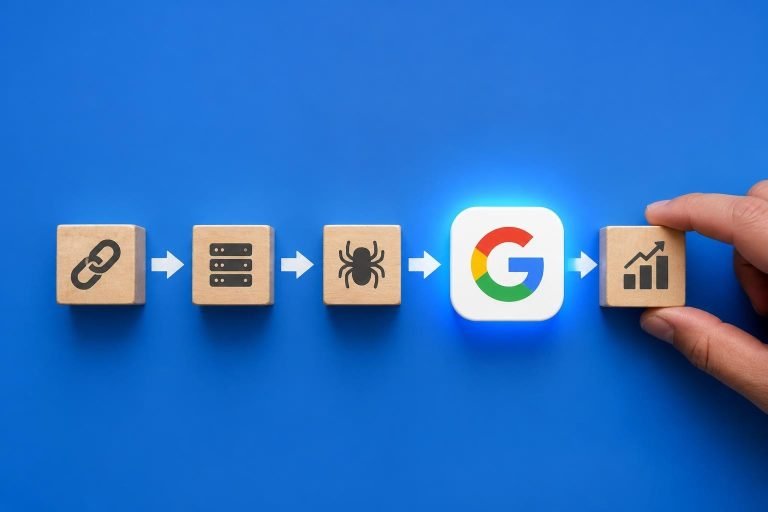
Search engines use automated programs called crawlers or bots to scan billions of web pages across the internet. These bots follow links from one page to another, collecting information about content, structure, and relevance. Once a page is crawled, it gets stored in the search engine’s index-a massive database of web content.
When someone types a query into Google, the search engine doesn’t search the entire web in real time. Instead, it searches its index and uses complex algorithms to decide which pages are most relevant and trustworthy. Understanding how Google Search operates helps clarify why certain optimization practices matter.
The Three Main Processes
SEO and how it works can be broken down into three primary processes:
- Crawling: Search engine bots discover and visit web pages by following links
- Indexing: The search engine analyzes and stores the content from crawled pages
- Ranking: Algorithms evaluate indexed pages and determine their position in search results
Each process depends on specific factors. Crawling relies on proper site structure and internal linking. Indexing requires clean code, quality content, and technical optimization. Ranking considers hundreds of signals, from content relevance to user experience.

Why SEO Matters for Your Business
SEO delivers long-term value because it targets people actively searching for what you offer. Unlike paid advertising, which stops generating traffic the moment you stop paying, organic search results continue to attract visitors as long as you maintain your rankings.
Think about your own behavior when searching online. Most people click on results from the first page, and many never scroll past the top three positions. If your website isn’t visible in those early results, you’re missing out on potential customers who are already interested in your products or services.
Key benefits of SEO include:
- Higher visibility in search results without ongoing ad costs
- Increased credibility and trust from appearing in organic rankings
- Better user experience through optimized site structure and content
- More qualified traffic from people searching with intent
- Competitive advantage over businesses that neglect search optimization
The three essential pillars of SEO success-authority, relevance, and user experience-work together to build sustainable rankings. Authority comes from quality backlinks and brand signals. Relevance connects your content to what users are searching for. User experience keeps visitors engaged and satisfied.
How Search Engines Rank Websites
Search engines don’t rank websites randomly or based on a single factor. Google uses over 200 ranking signals to evaluate and score web pages. While the exact algorithms remain proprietary, SEO professionals have identified the most influential factors through testing, research, and official guidance from search engines.
Content Quality and Relevance
Content is still the foundation of SEO and how it works in 2026. Search engines analyze your text, images, videos, and other media to determine what your page is about and whether it satisfies user intent.
High-quality content demonstrates expertise, provides comprehensive answers, and matches what searchers actually want. Google’s algorithms can now understand context, synonyms, and related concepts-not just exact keyword matches.
When creating content, focus on:
- Answering the user’s question completely in the opening paragraphs
- Providing unique insights rather than repeating information from other sites
- Using clear structure with headings, lists, and logical flow
- Including relevant examples and supporting evidence
- Updating content regularly to maintain accuracy and freshness
Google’s E-A-T principles evaluate expertise, authoritativeness, and trustworthiness, particularly for content that affects people’s health, finances, or safety. Building these signals requires consistent effort across your entire website.
Technical SEO Fundamentals
Technical optimization ensures search engines can access, crawl, and understand your website efficiently. Without solid technical foundations, even the best content struggles to rank.
| Technical Factor | Impact on SEO | Common Issues |
|---|---|---|
| Site Speed | Affects rankings and user experience | Unoptimized images, slow hosting, excessive scripts |
| Mobile Responsiveness | Required for mobile-first indexing | Non-responsive design, viewport errors |
| HTTPS Security | Ranking signal and trust factor | Mixed content, expired certificates |
| XML Sitemap | Helps crawlers discover pages | Missing pages, outdated URLs |
| Robots.txt | Controls crawler access | Blocking important pages accidentally |
Technical SEO also includes structured data markup, canonical tags, and proper URL structure. These elements help search engines interpret your content correctly and display rich results in search listings.
Many businesses benefit from specialized technical optimization, especially if they use content management systems. For example, WordPress SEO services address platform-specific issues like plugin conflicts, theme optimization, and database performance.

On-Page SEO Strategies That Work
On-page SEO refers to optimizations you make directly on your web pages. These changes improve both search engine understanding and user experience.
Title tags remain one of the most important on-page elements. Your title should include your target keyword naturally while accurately describing the page content. Keep titles under 60 characters to avoid truncation in search results.
Meta descriptions don’t directly affect rankings, but they influence click-through rates. Write compelling descriptions between 140-160 characters that give users a clear reason to click.
Header tags (H1, H2, H3) create content hierarchy and help search engines identify main topics and subtopics. Use one H1 per page and structure content logically with H2 and H3 headings.
Internal Linking Strategy
Internal links connect your pages together, helping both users and search engines navigate your site. They pass authority between pages and establish topical relationships.
When building internal links:
- Use descriptive anchor text that tells readers what to expect
- Link to relevant, related content that adds value
- Prioritize deep links to important pages beyond your homepage
- Maintain a logical site structure with clear hierarchies
- Fix broken links that create dead ends
A well-planned internal linking strategy distributes link equity throughout your site and helps newer content gain traction faster. You can explore effective content strategies that naturally incorporate internal links.
Off-Page SEO and Link Building
Off-page SEO focuses on factors outside your website that influence rankings. The most significant off-page factor is backlinks-links from other websites pointing to your content.
Search engines view backlinks as votes of confidence. When reputable sites link to your pages, it signals that your content is valuable and trustworthy. However, not all links carry equal weight.
Quality link characteristics:
- Come from authoritative, relevant websites in your industry
- Appear within contextually relevant content
- Use natural anchor text that fits the surrounding text
- Point to specific pages that provide value
- Come from diverse domains rather than the same few sites
Building a high-quality link profile requires creating content worth linking to and building relationships within your industry. Guest posting, digital PR, and creating original research or tools are proven link-building strategies.
Avoid buying links or participating in link schemes. These tactics violate search engine guidelines and can result in penalties that devastate your rankings.
Local SEO for Geographic Visibility
Local SEO optimizes your online presence for location-based searches. When people search for “restaurants near me” or “plumber in Manila,” search engines prioritize nearby businesses with strong local signals.
Google Business Profile Optimization
Your Google Business Profile (formerly Google My Business) is essential for local visibility. Complete every section of your profile with accurate, detailed information.
Key optimization steps:
- Verify your business location and contact information
- Select the most specific business categories
- Upload high-quality photos of your location, products, and team
- Collect and respond to customer reviews
- Post regular updates and offers
- Add business attributes like payment methods and accessibility features
Consistent NAP (Name, Address, Phone) information across your website, directories, and citations strengthens local search signals. Even small inconsistencies can confuse search engines and weaken your local rankings.
For businesses targeting specific geographic areas, understanding why local SEO is important helps prioritize optimization efforts and budget allocation.

SEO and How It Works with AI Search
AI-powered search is transforming how results are generated and displayed. Google’s AI models now better understand context, intent, and natural language, which changes how SEO and how it works in practice.
Traditional keyword stuffing no longer works because AI can detect unnatural language patterns. Instead, focus on writing naturally for humans while covering topics comprehensively. AI algorithms reward content that demonstrates depth, answers related questions, and provides genuine value.
The rise of AI search also means brand visibility is shifting from traditional SEO to data verification. Search engines increasingly prioritize verified information from authoritative sources over basic keyword optimization.
Adapting to AI search requires:
- Creating comprehensive content that covers topics from multiple angles
- Building strong E-A-T signals through author credentials and citations
- Ensuring factual accuracy and regular content updates
- Optimizing for featured snippets and AI-generated summaries
- Developing brand authority beyond your website
Learning how to optimize for AI search algorithms effectively helps future-proof your SEO strategy as search technology continues evolving.
Measuring SEO Performance
You can’t improve what you don’t measure. Tracking the right metrics shows whether your SEO efforts are working and where to focus next.
| Metric | What It Measures | Why It Matters |
|---|---|---|
| Organic Traffic | Visitors from search engines | Overall SEO performance and visibility |
| Keyword Rankings | Position for target search terms | Specific campaign success |
| Click-Through Rate | Percentage of searchers who click | Title/meta effectiveness |
| Bounce Rate | Visitors who leave immediately | Content relevance and quality |
| Conversion Rate | Visitors who complete desired actions | Business impact and ROI |
| Page Load Time | How fast pages load | User experience and rankings |
Google Search Console provides free data directly from Google about your site’s search performance. You can see which queries drive traffic, identify indexing issues, and monitor click-through rates.
Google Analytics tracks user behavior on your site, showing how visitors navigate, where they come from, and what actions they take. Connecting these tools gives you comprehensive insights into SEO performance.
Common SEO Mistakes to Avoid
Even experienced marketers make SEO mistakes that hurt rankings. Knowing what to avoid helps you focus on strategies that actually work.
Targeting the wrong keywords wastes effort on terms that don’t convert or are impossibly competitive. Research search volume, competition, and user intent before committing to keywords. Understanding the difference between transactional vs informational keywords helps you align content with searcher goals.
Neglecting mobile optimization is particularly damaging since Google uses mobile-first indexing. Your mobile site should load quickly, display correctly, and provide the same content as the desktop version.
Ignoring user experience signals like page speed, navigation clarity, and content readability affects both rankings and conversions. Search engines increasingly prioritize sites that satisfy users and keep them engaged.
Duplicate content confuses search engines about which version to rank. Use canonical tags to specify preferred versions and avoid creating multiple pages targeting identical keywords.
For more comprehensive guidance, review common SEO mistakes that hurt rankings and implement fixes systematically across your site.
Creating an Effective SEO Strategy
SEO and how it works becomes clearer when you build a structured strategy rather than implementing random tactics. A comprehensive approach addresses all ranking factors systematically.
Start with an SEO audit to identify current strengths and weaknesses. Analyze technical issues, content gaps, backlink profiles, and competitor performance. This baseline shows you where to focus first.
Develop a keyword strategy based on your business goals and target audience. Map keywords to specific pages and stages of the customer journey. Prioritize terms that balance search volume, competition, and business value.
Create a content calendar that addresses keyword targets while providing genuine value to readers. Plan topics that answer common questions, solve problems, and demonstrate expertise.
Build authority gradually through consistent link building, brand mentions, and industry engagement. Quality matters more than quantity-focus on earning links from relevant, reputable sources.
Monitor and adjust regularly based on performance data. SEO isn’t a one-time project but an ongoing process that requires testing, learning, and refinement.
The Role of Content in Modern SEO
Content remains central to SEO and how it works because search engines exist to help people find information. Without quality content, technical optimization and link building have nothing valuable to promote.
Comprehensive coverage outperforms shallow content in 2026. Search engines reward pages that thoroughly address topics and answer related questions users might have.
When planning content, consider:
- What questions does your target audience ask?
- What information gaps exist in current search results?
- How can you provide unique insights or perspectives?
- What format best serves user needs (text, video, infographics)?
- How will you keep content current and accurate?
Different content types serve different purposes. Blog posts target informational searches and build authority. Product pages target commercial searches and drive conversions. Landing pages support specific campaigns or promotions.
Understanding how to find blog topics that rank helps you create content that both serves users and attracts search traffic.
SEO Tools and Resources
The right tools make SEO more efficient and effective. While some cost money, many free options provide valuable insights for businesses at any stage.
Essential SEO tools include:
- Google Search Console (free) for search performance and technical monitoring
- Google Analytics (free) for traffic analysis and user behavior
- Keyword research tools to identify search opportunities and competition
- Backlink checkers to monitor your link profile and find opportunities
- Site audit tools to identify technical issues and optimization priorities
- Rank tracking software to monitor keyword positions over time
Free AI tools for SEO can help with content creation, keyword research, and technical analysis. However, tools work best when combined with strategic thinking and industry expertise.
Don’t rely solely on automated recommendations. Use tools to gather data and identify opportunities, but apply human judgment to develop strategies that align with your business goals and audience needs.
Getting Professional SEO Help
Understanding SEO and how it works helps you make informed decisions, but implementing a comprehensive strategy often requires specialized expertise. Professional SEO specialists bring years of experience, advanced tools, and proven processes that deliver results faster.
When evaluating SEO specialists in the Philippines or elsewhere, look for professionals who:
- Explain their strategies clearly and transparently
- Focus on long-term results rather than quick fixes
- Provide case studies and verifiable results
- Stay current with algorithm updates and industry changes
- Customize approaches to your specific business and goals
Conclusion
SEO and how it works continues evolving, but the fundamentals remain consistent: create valuable content, build trust and authority, and provide excellent user experiences. With nearly 15 years of experience helping businesses improve their search visibility, Cyrel P. Nicolas and his team deliver comprehensive SEO strategies tailored to your specific goals. Whether you need technical optimization, content development, or complete SEO management, working with an experienced specialist helps you achieve sustainable rankings and measurable business growth.