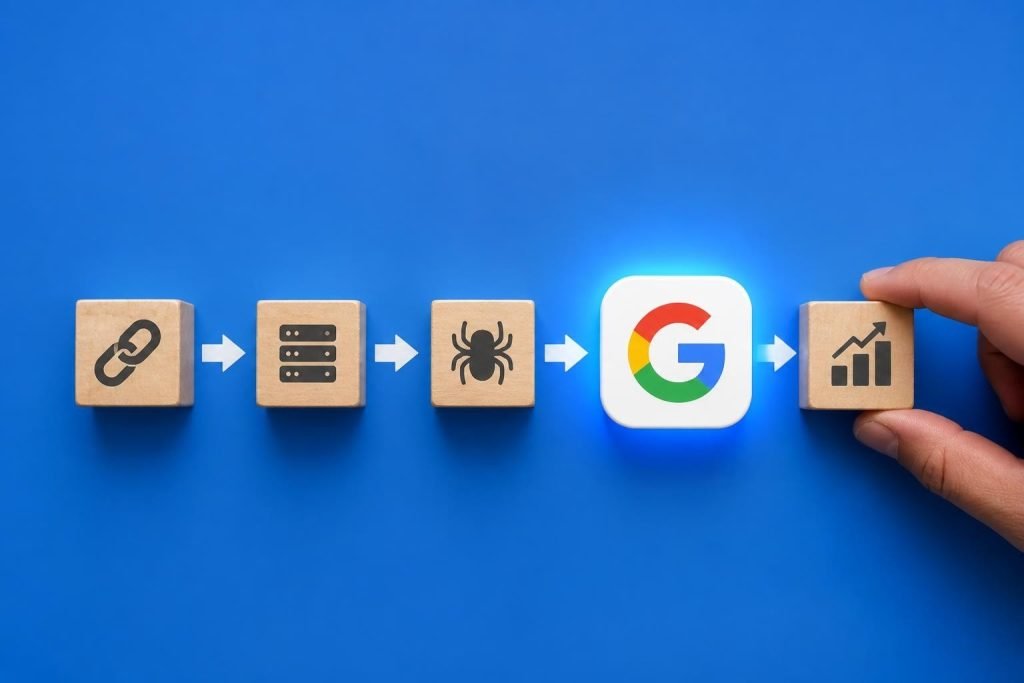
Building backlinks takes effort, but those links won’t help your SEO until search engines discover and index them. A backlinks indexer is a tool or service designed to speed up this discovery process, ensuring that the links pointing to your website get recognized by Google and other search engines faster. For businesses investing in link building, understanding how indexing works and how to accelerate it can make the difference between waiting weeks for results and seeing ranking improvements within days.
What Is a Backlinks Indexer and Why It Matters
A backlinks indexer is a system that notifies search engines about new backlinks pointing to your website, helping those links get crawled and added to search engine databases more quickly. Without indexing, even high-quality backlinks sit unnoticed, providing zero SEO value until a search engine bot discovers them naturally, which can take weeks or even months.
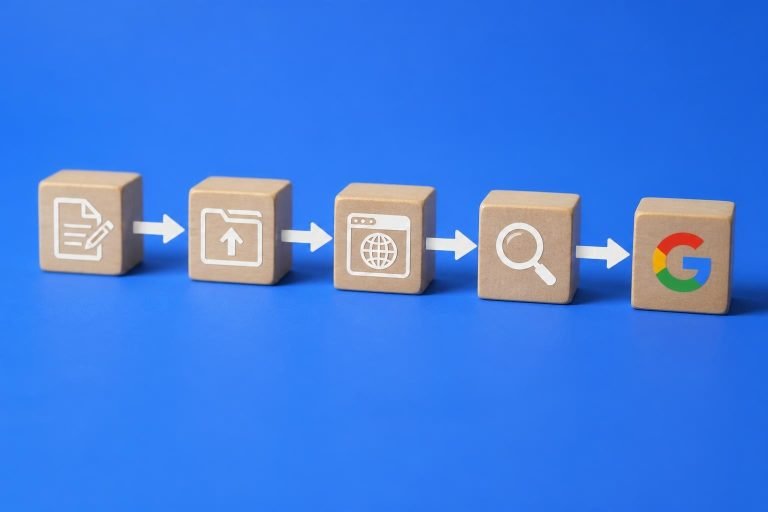
Search engines like Google use crawlers to discover new content and links across the web. These bots follow links from one page to another, gradually building an index of what exists online. When you earn a new backlink, that link only starts contributing to your rankings once Google has crawled the page containing it and recognized the link.
The challenge: Google doesn’t instantly crawl every page on the internet. Pages with low authority, infrequent updates, or poor internal linking may go weeks without a crawl. This means your carefully built backlinks could sit dormant, delivering no ranking benefit.
A backlinks indexer solves this by:
- Submitting URLs directly to search engines
- Creating social signals that attract crawler attention
- Building secondary links to the pages containing your backlinks
- Generating activity that triggers faster crawling
How Backlink Indexing Affects SEO Performance
The speed at which your backlinks get indexed directly impacts your SEO timeline. When you’re working on improving rankings for competitive keywords, every day counts.
Consider this scenario: You publish a guest post on an industry blog that links back to your service page. That link has the potential to boost your rankings, but it won’t happen until Google discovers and processes it. If the blog doesn’t get crawled for three weeks, you’re essentially losing three weeks of potential ranking improvement.
Key benefits of faster indexing:
- Quicker ranking improvements from new backlinks
- Better ROI on link building investments
- Faster validation of link building strategies
- Improved competitive positioning in search results
Many SEO professionals use tools like Ahrefs’ Backlink Checker or Semrush’s Backlink Analytics to monitor their backlink profile, but these tools only show links that search engines have already discovered. A backlinks indexer works upstream, ensuring more of your links show up in these reports faster.
Methods Used by Backlinks Indexers
A backlinks indexer accelerates the crawling process through several proven techniques. Understanding these methods helps you choose the right approach for your link building strategy.
URL Submission to Search Engines
The most direct method involves submitting URLs to Google Search Console and Bing Webmaster Tools. When you submit a URL, you’re essentially telling the search engine “this page exists, please crawl it.”
Limitations of manual submission:
- Google limits the number of URLs you can submit per day
- Submission doesn’t guarantee immediate indexing
- Time-consuming for large link building campaigns
- Requires access to Search Console for each domain
Most backlinks indexers automate this process, submitting not just your own URLs but also the pages containing your backlinks. This guide on fast backlink indexing explains several automation approaches used by professional SEO teams.
Creating Social Signals and Web 2.0 Properties
Search engines crawl social media platforms and popular Web 2.0 sites frequently. By sharing links to the pages containing your backlinks on platforms like Twitter, Facebook, LinkedIn, and Reddit, you create pathways for crawlers to discover those pages.
| Platform Type | Crawl Frequency | Indexing Speed | Effort Required |
|---|---|---|---|
| Major social media | Daily | 1-3 days | Low |
| Web 2.0 blogs | 2-7 days | 3-7 days | Medium |
| Forum posts | 3-14 days | 5-14 days | Medium |
| RSS feeds | 1-2 days | 2-4 days | Low |
Some backlinks indexers create automated posts across multiple platforms, generating enough signals to trigger crawler visits. While effective, this approach requires careful execution to avoid spam filters and platform penalties.
Building Links to Your Backlinks
This strategy involves creating secondary links that point to the pages containing your primary backlinks. When a crawler follows these secondary links, it discovers the page with your backlink and indexes it.
Common secondary link sources:
- Blog comments on related industry sites
- Forum signatures in relevant communities
- Social bookmarking sites
- Article directories with high crawl rates
The quality of these secondary links matters less than their ability to attract crawlers. Tools like Majestic’s Backlink Checker can help you verify which of your backlinks have been indexed based on their Trust Flow and Citation Flow metrics.
Ping Services and RSS Broadcasting
Ping services notify search engines and RSS aggregators when new content becomes available. By submitting the URLs of pages containing your backlinks to ping services, you create additional discovery signals.
Popular ping methods:
- XML-RPC pings to major blog platforms
- RSS feed submissions to aggregators
- Sitemap updates with new link locations
- API-based notifications to search engines
These methods work best when combined with other indexing techniques. According to SISTRIX’s Backlink Analysis, links from frequently updated, well-crawled sources get indexed significantly faster than those from dormant websites.

Choosing the Right Backlinks Indexer for Your Strategy
Not all backlinks indexers deliver the same results. The right choice depends on your link building volume, budget, and quality standards. A backlinks indexer should align with your overall SEO approach and support long-term ranking goals.
Evaluating Indexer Effectiveness
Key metrics to track:
- Indexing success rate: What percentage of submitted links actually get indexed?
- Time to indexing: How long does it take from submission to appearing in search results?
- Method transparency: Does the service explain how it achieves indexing?
- Cost per indexed link: What’s the actual cost when accounting for failures?
Most professional SEO teams test multiple indexing methods before committing to one. You might submit 100 backlinks through a service and check how many appear in Google Search Console or show up in backlink analysis tools within two weeks.
Free vs. Paid Backlinks Indexer Options
Free options include manual submission through Google Search Console and sharing links on social media platforms. These methods work but require significant time investment and don’t scale well.
Free methods best for:
- Small businesses with limited link building volume
- Testing whether indexing speed matters for your niche
- Indexing high-priority links to important pages
Paid services typically offer:
- Automated submission across multiple platforms
- Higher indexing success rates (60-80% vs. 30-50% for manual methods)
- Time savings for managing large link portfolios
- Better tracking and reporting features
Tools like SEO PowerSuite’s Backlinks API provide developers with access to comprehensive backlink data, making it easier to build custom indexing workflows.
Integration with Your Link Building Workflow
A backlinks indexer works best as part of a comprehensive link building and monitoring system. When you earn or build a new backlink, your workflow might include:
- Documenting the link source and target URL
- Submitting to your backlinks indexer within 24 hours
- Monitoring indexing status after 7 days
- Re-submitting unindexed links using alternative methods
- Tracking ranking changes attributable to indexed links
Building a high-quality link profile requires more than just creating links. You need systems to ensure those links actually contribute to your rankings, which is where indexing becomes critical.
Many agencies offering Freelance SEO services incorporate backlinks indexers into their standard packages, recognizing that faster indexing improves client results and satisfaction.
Common Challenges with Backlink Indexing
Even with a backlinks indexer, not every link gets indexed immediately. Understanding common obstacles helps you adjust your strategy and set realistic expectations.
Low-Quality Link Sources
Search engines prioritize crawling pages that provide value. If your backlink appears on a low-quality page with thin content, excessive ads, or spam characteristics, crawlers may skip it entirely.
Red flags that slow indexing:
- Pages with duplicate content copied from other sites
- Sites with very few internal or external links
- Pages that haven’t been updated in months or years
- Domains with poor technical SEO implementation
According to Wikipedia’s overview of backlinks, search engines evaluate both the quantity and quality of backlinks, which extends to how quickly they prioritize crawling those link sources.
NoFollow and UGC Attributes
Links with rel=”nofollow”, rel=”ugc”, or rel=”sponsored” attributes still need to be indexed for complete backlink profile tracking, but they don’t pass PageRank the same way dofollow links do.
| Link Attribute | Passes PageRank | Gets Indexed | Indexing Priority |
|---|---|---|---|
| Dofollow | Yes | Yes | High |
| Nofollow | No | Yes | Medium |
| UGC | Partially | Yes | Medium |
| Sponsored | No | Yes | Medium-Low |
A backlinks indexer can help get these links discovered, but your focus should remain on earning dofollow links from quality sources when possible. Understanding how different link types affect SEO helps you prioritize your indexing efforts.
JavaScript-Rendered Content
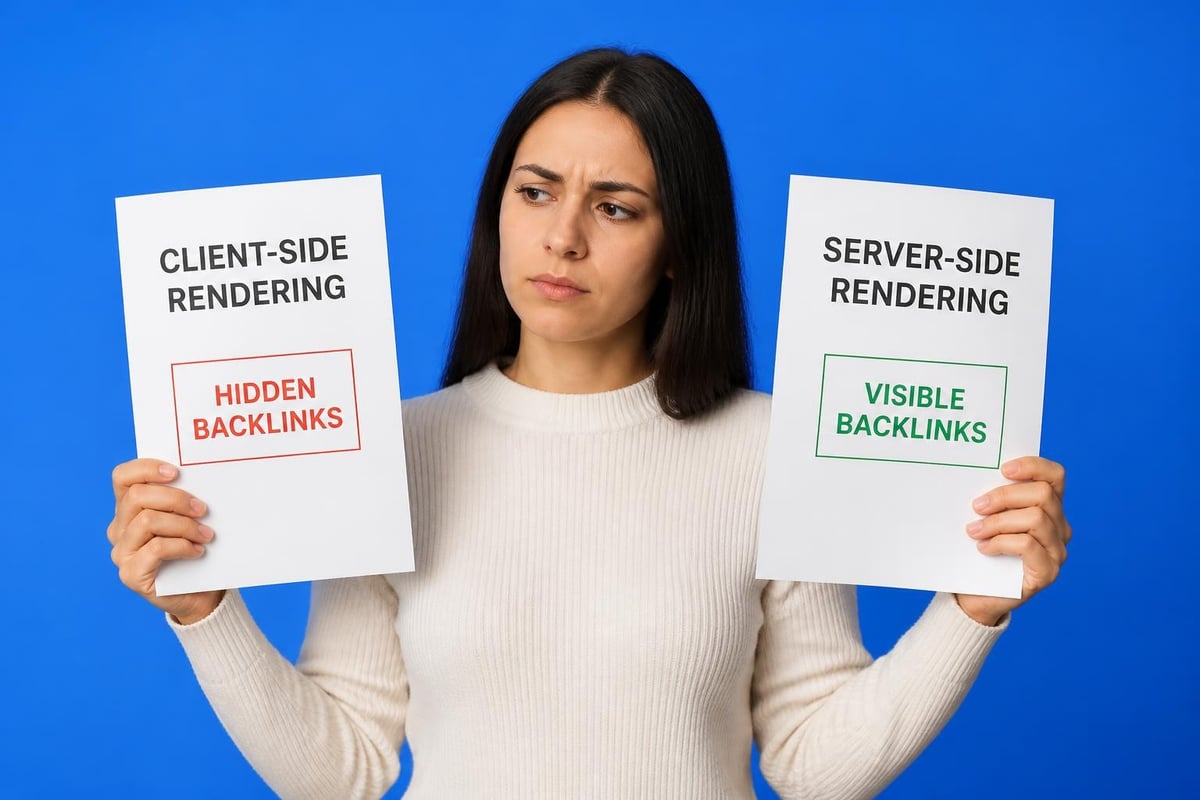
Some websites load content dynamically using JavaScript, which can prevent crawlers from seeing your backlink during initial page loads. This technical issue affects indexing regardless of which backlinks indexer you use.
Solutions for JavaScript challenges:
- Request that link sources implement server-side rendering
- Use dynamic rendering specifically for search engine bots
- Place backlinks in static HTML sections when possible
- Monitor rendering issues through Google Search Console
Tools like SEOkicks Backlink Checker and Crawly’s Backlink Checker can help identify which of your backlinks are visible to crawlers and which might have rendering issues.
Indexing Delays on New or Low-Authority Domains
Brand new websites or domains with limited authority get crawled less frequently, which means backlinks from these sources take longer to index even with accelerated indexing methods.
Timeline expectations:
- Established, high-authority sites: 1-7 days with indexer assistance
- Medium-authority sites: 7-21 days with indexer assistance
- New or low-authority sites: 21-60 days even with aggressive indexing
This reality makes earning links from established domains more valuable not just for their authority but also for faster indexing and quicker SEO impact.
Measuring the Impact of Your Backlinks Indexer
Implementing a backlinks indexer only makes sense if you can measure its effectiveness and ROI. Tracking the right metrics helps you understand whether your indexing strategy is working and where improvements are needed.
Tracking Indexing Status
Methods for checking if backlinks are indexed:
- Manual site: search in Google – Search for “site:example.com” where example.com is the domain containing your backlink
- Google Search Console – Check the “Links” report for discovered backlinks
- Third-party backlink tools – Use Ahrefs, Semrush, or Majestic to see which links they’ve detected
- URL Inspection Tool – Check specific URLs in Search Console to see their indexing status
Create a spreadsheet tracking:
- Link URL (where your backlink appears)
- Date link was created
- Date submitted to backlinks indexer
- Date first detected in Search Console
- Date appearing in third-party tools
- Current indexing status
This data reveals your average indexing speed and success rate, helping you evaluate different indexing methods or services.
Connecting Indexed Backlinks to Ranking Changes
The ultimate measure of backlinks indexer effectiveness is whether indexed links contribute to better rankings. This requires correlation analysis between indexing events and ranking movements.
Tracking workflow:
- Document baseline rankings for target keywords before new backlinks
- Monitor when each backlink gets indexed
- Track ranking changes weekly for target keywords
- Identify correlation between indexing dates and ranking improvements
- Calculate time lag between indexing and ranking impact (typically 2-4 weeks)
Tools like RankPill’s automated SEO services combine content creation with strategic link building and monitoring, making it easier to track the full impact of your SEO efforts from backlink creation through indexing to ranking improvements.
Cost-Benefit Analysis of Indexing Services
Calculate whether paying for a backlinks indexer delivers positive ROI compared to natural indexing:
Formula for ROI calculation:
- Monthly indexer cost ÷ Number of links successfully indexed = Cost per indexed link
- Value of faster rankings (estimated traffic increase × conversion rate × customer value) = Benefit
- Benefit – Total indexing costs = Net ROI
For most businesses running active link building campaigns, a backlinks indexer delivers positive ROI by accelerating results by 2-4 weeks. This matters especially in competitive niches where ranking improvements directly impact revenue.
Best Practices for Backlinks Indexer Use in 2026
Search engines continuously evolve their crawling and indexing algorithms. Following current best practices ensures your indexing efforts align with how search engines work in 2026.
Prioritize Quality Over Speed
While a backlinks indexer helps speed up discovery, quality always matters more than indexing speed. A single high-quality link from an authoritative source that takes two weeks to index will outperform ten low-quality links that index within days.
Quality indicators to prioritize:
- Links from domains with established authority in your industry
- Editorial links within relevant content, not sitewide footers
- Links from pages that receive regular updates and traffic
- Contextual placement that makes sense to human readers
Focus your backlinks indexer efforts on ensuring your best links get discovered quickly, rather than trying to index every low-value link you can create.
Avoid Over-Indexing and Spam Signals
Submitting thousands of backlinks to indexing services daily can trigger spam filters, both in the indexing service and potentially with search engines. Natural link growth includes both indexed and unindexed links.
Safe indexing volumes:
- Small sites (under 50 pages): 5-10 new backlinks indexed per week
- Medium sites (50-500 pages): 10-30 new backlinks indexed per week
- Large sites (500+ pages): 30-100 new backlinks indexed per week
These numbers represent new links you’re actively working to index, not total backlink growth. Automated systems and SEO automation tools should include throttling to maintain natural indexing patterns.
Combine Indexing with Strong Technical SEO
A backlinks indexer works best when your website has solid technical SEO fundamentals. Ensure:
- Your site loads quickly (under 3 seconds)
- Mobile responsiveness meets current standards
- XML sitemaps are properly configured and submitted
- Internal linking structure helps distribute link equity
- No major crawl errors blocking search engine access
Research on advanced indexing techniques suggests that well-structured sites benefit more from backlinks than poorly optimized ones, regardless of indexing speed.
Monitor and Adjust Based on Results
No backlinks indexer works perfectly for every situation. Regular monitoring and adjustments improve effectiveness:
Monthly review checklist:
- What percentage of submitted links got indexed this month?
- How long did indexing take on average?
- Which link sources indexed fastest?
- Did indexed links correlate with ranking improvements?
- Are there patterns in which types of links don’t index well?
Use this information to refine your link building strategy, focusing on sources that both index quickly and deliver ranking improvements.
Integrating Backlinks Indexers with Broader SEO Strategy
A backlinks indexer is one component of comprehensive SEO, not a standalone solution. Integration with content marketing, technical optimization, and ongoing monitoring creates the best results.
Content Quality and Link Worthiness
The content you create influences whether sites link to you and whether those links get indexed quickly. High-quality content attracts links from well-maintained, frequently crawled sources that index faster.
Content characteristics that attract index-friendly links:
- Original research with unique data points
- Comprehensive guides that become reference resources
- Interactive tools or calculators that provide utility
- Timely commentary on industry developments
When planning your content strategy, consider how creating engaging, shareable content naturally leads to better links from better sources that index more quickly.
Local SEO and Geographic Indexing Considerations
For businesses serving specific geographic areas, local link building requires special indexing attention. Links from local directories, chamber of commerce listings, and regional news sites all need proper indexing to support local rankings.
Many local citations include nofollow links, but they still need indexing to appear in your complete backlink profile and contribute to local search signals. Consider working with specialists in Local SEO who understand both local link building and proper indexing strategies for geographic targeting.
Avoiding Common SEO Mistakes
Using a backlinks indexer doesn’t protect you from broader SEO mistakes that hurt rankings. In fact, faster indexing can accelerate problems if you’re building low-quality links.
Critical mistakes to avoid:
- Buying links from obvious link farms or PBNs
- Using automated tools to create hundreds of low-quality links
- Ignoring anchor text diversity in your link profile
- Failing to monitor for toxic links that need disavowal
A backlinks indexer should complement ethical, sustainable link building practices, not enable shortcuts that might work temporarily but create long-term problems.
Conclusion
Understanding how a backlinks indexer accelerates link discovery helps you make informed decisions about whether this tool fits your SEO strategy and budget. The key is balancing indexing speed with link quality, using automation wisely while maintaining natural growth patterns that search engines reward. If you need help developing a comprehensive link building strategy that includes proper indexing, monitoring, and ongoing optimization, Cyrel P. Nicolas brings nearly 15 years of SEO experience helping businesses improve rankings through proven techniques that deliver sustainable results.