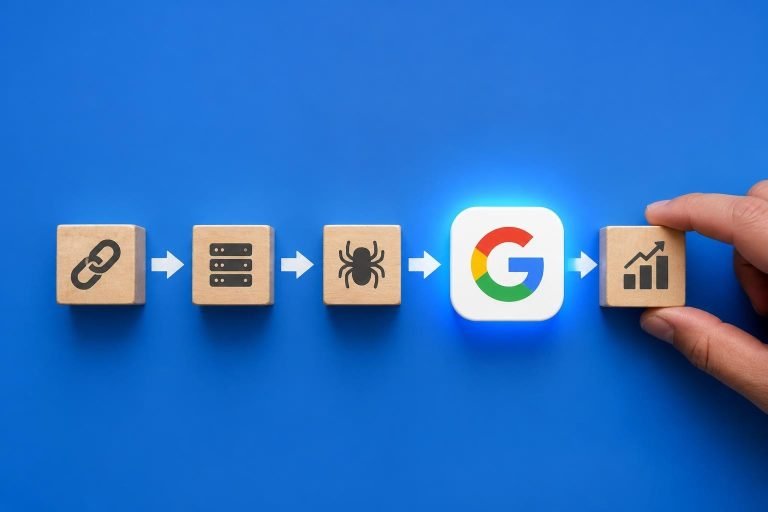
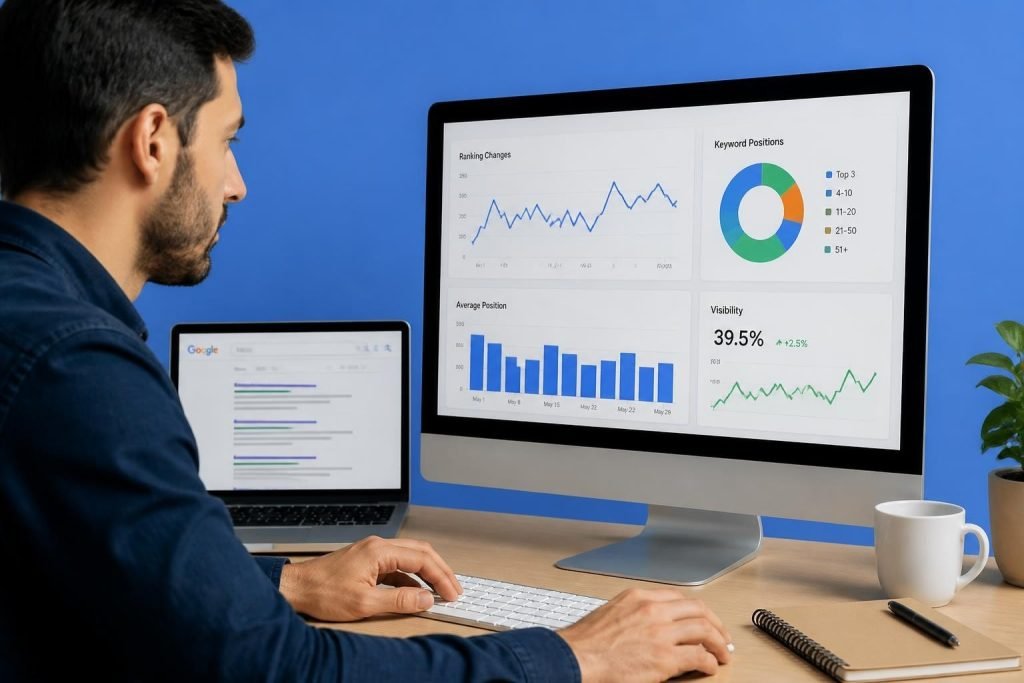
Understanding where your website stands in Google search results is essential for measuring SEO success and identifying improvement opportunities. Whether you’re running an e-commerce store, a local service business, or a content-heavy blog, knowing how to check google website ranking gives you the visibility data you need to refine your strategy and outperform competitors. This guide walks through practical methods, free tools, ranking factors, and actionable steps to monitor your search performance effectively in 2026.
Why Checking Your Google Ranking Matters
Monitoring your position in search results directly impacts how you allocate time, budget, and resources across SEO activities. Rankings tell you which keywords are driving traffic and which ones need more work.
When you check google website ranking regularly, you can:
- Identify which content performs well and deserves more internal linking
- Spot ranking drops early, before they cause significant traffic loss
- Validate whether recent SEO changes (like new content or technical fixes) are working
- Understand competitor movements and adjust your strategy accordingly
- Measure ROI on SEO investments with concrete position data
The Connection Between Rankings and Business Goals
Higher rankings typically lead to more organic clicks, which can translate into leads, sales, or brand awareness depending on your goals. Position one results capture roughly 28-35% of all clicks, while positions two and three get progressively less.
Tracking rankings helps you understand the gap between where you are and where you need to be to hit traffic targets. This becomes especially important when you’re working with SEO packages that promise specific outcomes over time.

Free Tools to Check Google Website Ranking
You don’t need expensive software to get started with rank tracking. Several reliable free tools provide accurate position data across different locations and devices.
Google Search Console
Google Search Console remains the most authoritative source for understanding how Google sees your site. It shows average position for each query your site ranks for, along with impressions and click-through rates.
To check rankings in Search Console:
- Log into your verified property
- Navigate to Performance > Search Results
- Add filters for specific pages, queries, or date ranges
- Export data to track changes over time
The main limitation is that it shows average position, not real-time rankings for specific keywords. It also doesn’t compare you directly to competitors.
Semrush SERP Checker
Semrush’s SERP Checker provides real-time analysis of Google’s top 10 results without requiring an account. You can enter any keyword and location to see current rankings, SERP features, and basic competitor data.
This tool works well for:
- Quick spot-checks on priority keywords
- Analyzing SERP features like featured snippets or local packs
- Comparing your page against top-ranking competitors
Seobility Ranking Checker
The Seobility Free Website Ranking Checker lets you check positions across multiple devices and locations. It delivers neutral results by avoiding personalization, which gives you a more accurate picture of how your site ranks for users outside your browsing history.
| Tool | Free Limit | Best For | Location Options |
|---|---|---|---|
| Google Search Console | Unlimited | Historical trends, CTR data | Your verified domains only |
| Semrush SERP Checker | 10 checks/day | Quick competitive analysis | Global locations |
| Seobility Rank Checker | 3 keywords/check | Multi-device tracking | 20+ countries |
Browser Incognito Mode
Opening a private browsing window and searching Google directly gives you a rough ranking estimate. Always use incognito to avoid personalized results based on your search history and location.
This method works for quick checks but becomes impractical when tracking dozens of keywords or monitoring changes over weeks. It also doesn’t provide historical data or notifications when rankings change.
How to Accurately Check Google Website Ranking
Getting reliable ranking data requires attention to several factors that affect SERP results. Personalization, location, device type, and search history all influence what users see.
Account for Personalization
Google customizes results based on user behavior, making it essential to use tools or methods that bypass this personalization when you check google website ranking. Logged-in users see different results than logged-out users, and someone in Manila may see different rankings than someone in Cebu for the same keyword.
Best practices include:
- Using rank tracking tools that specify exact location and device
- Checking rankings in incognito/private mode when doing manual searches
- Comparing data across multiple tools to spot inconsistencies
- Tracking both desktop and mobile rankings separately
Choose the Right Keywords to Monitor
Not all keywords deserve equal tracking attention. Focus on terms that align with your business goals and have meaningful search volume.
Priority keyword categories:
- Money keywords: Transactional terms that drive conversions (e.g., “buy WordPress theme,” “hire SEO consultant”)
- Informational keywords: Educational terms that build authority and top-of-funnel awareness
- Brand keywords: Your company name and variations
- Competitor keywords: Terms where competitors rank but you don’t
When working with transactional vs informational keywords, remember that commercial intent keywords typically matter more for immediate revenue, while informational content builds long-term authority.
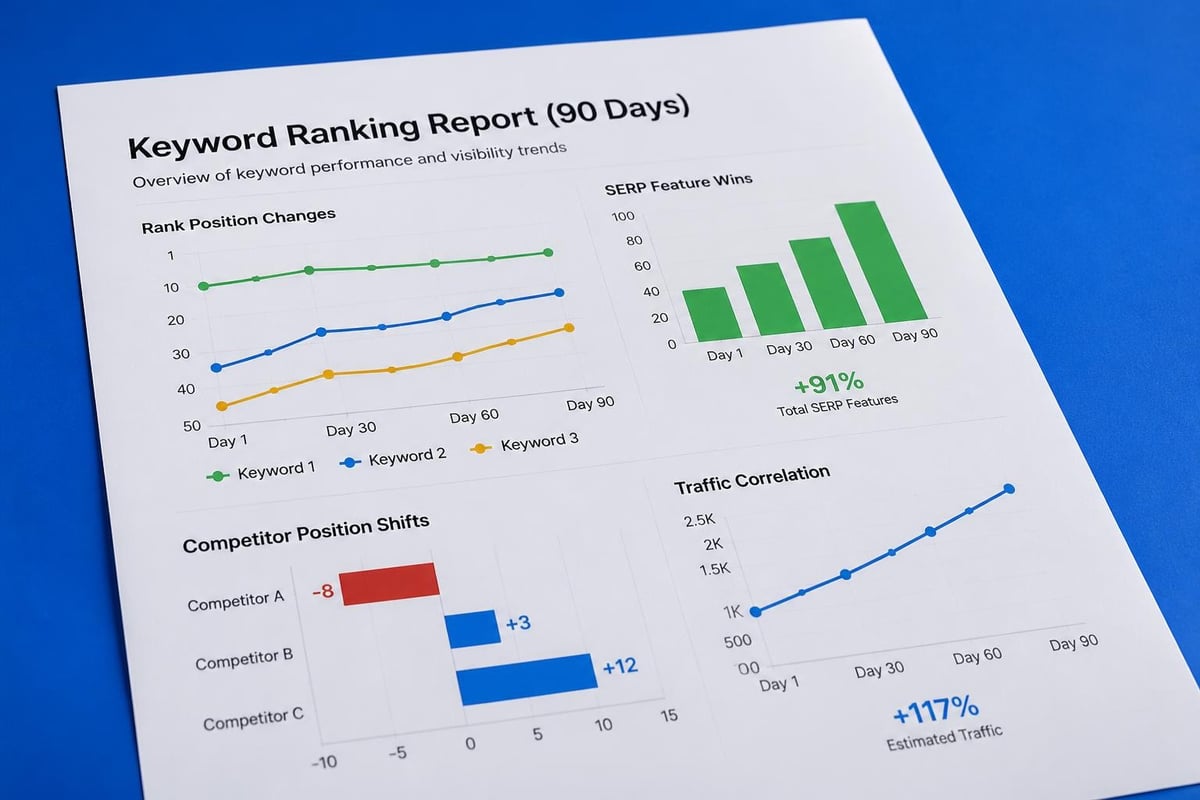
Set Up Regular Tracking Schedules
Consistency matters more than frequency when monitoring rankings. Weekly or biweekly checks work well for most businesses, while daily tracking makes sense only for highly competitive niches or during active campaigns.
Establish a routine:
- Pick specific days each week for rank checks
- Track the same keyword set each time for consistency
- Document major SEO changes (content updates, link building, technical fixes)
- Compare current positions to previous periods (week-over-week, month-over-month)
- Flag significant drops for investigation
Understanding Ranking Data and SERP Features
Raw position numbers tell only part of the story. Modern search results include featured snippets, local packs, image carousels, and other features that affect click-through rates.
Position Zero and Featured Snippets
Landing in a featured snippet (position zero) can dramatically increase traffic even if you rank second or third organically. These boxes appear above traditional results for question-based queries and how-to searches.
To optimize for featured snippets:
- Structure content with clear headings that match question formats
- Provide concise 40-60 word answers to common questions
- Use lists, tables, and step-by-step formats
- Include schema markup to help Google understand content structure
Local Pack Results
For location-based businesses, the local pack (map + three business listings) appears above organic results. Local pack rankings differ from organic rankings and require separate optimization through Google Business Profile and local citations.
When you check google website ranking for local terms, track both your organic position and whether you appear in the local pack. Tools focused on local SEO can monitor both simultaneously.
SERP Volatility and Algorithm Updates
Rankings fluctuate naturally, but sharp drops across multiple keywords often signal algorithm updates or penalties. Google runs thousands of minor updates yearly and several major ones that can reshape entire industries overnight.
How to respond to ranking volatility:
- Don’t panic over single-day fluctuations
- Check SEO news sites to see if others report changes
- Review recent site changes that might have caused issues
- Audit high-quality backlinks for any toxic links
- Examine content for thin pages or duplicate issues
Advanced Ranking Analysis Techniques
Once you’ve established basic tracking, deeper analysis reveals opportunities that simple position data misses.
Tracking Competitor Rankings
Monitoring where competitors rank for your target keywords shows gaps in your strategy and reveals new keyword opportunities. If a competitor consistently outranks you, analyze their content depth, backlink profile, and technical implementation.
Competitive analysis workflow:
- Identify 3-5 direct competitors who rank for your target keywords
- Track their positions on the same keywords you monitor
- Analyze their top-ranking pages for content length, structure, and media
- Review their backlink profiles to find link opportunities
- Note any SERP features they’ve captured that you haven’t
Correlating Rankings with Traffic and Conversions
Position numbers mean little if they don’t drive business results. Always connect ranking data to actual traffic and conversion metrics in Google Analytics.
Create a monthly report that shows:
| Keyword | Position Change | Traffic Change | Conversion Change | Revenue Impact |
|---|---|---|---|---|
| Example keyword 1 | +3 positions | +45% | +12% | +$850 |
| Example keyword 2 | -2 positions | -15% | -5% | -$320 |
This approach helps you focus on keywords that actually move revenue rather than chasing vanity metrics.
Device-Specific Ranking Differences
Mobile rankings often differ from desktop rankings due to different algorithms, page speed factors, and user intent signals. Google uses mobile-first indexing, meaning it primarily evaluates the mobile version of your site for ranking decisions.
Check rankings separately for:
- Desktop computers
- Mobile phones
- Tablets (less common but still relevant for some industries)
If you notice significant gaps, investigate mobile-specific issues like page speed, pop-ups, or navigation problems that might hurt mobile rankings.

Common Ranking Check Mistakes to Avoid
Several widespread errors lead to inaccurate data or wasted effort when monitoring search positions.
Checking Rankings While Logged Into Google
Personalized results skew your data significantly. When you’re logged into your Google account, search results favor sites you’ve visited before, content shared by your contacts, and topics aligned with your past behavior.
Always log out or use incognito mode for manual checks. Better yet, use tools that automatically avoid personalization.
Ignoring Location Variations
Someone searching “website design services” in Manila sees different results than someone in Cebu or Singapore. If you serve specific geographic areas, check google website ranking for each important location.
Location-based ranking strategies:
- Create location-specific content pages for each service area
- Optimize Google Business Profile for each physical location
- Build local citations in region-specific directories
- Track rankings separately for each target city or region
Focusing Only on Position One
While first position is ideal, positions two through five still capture meaningful traffic. Obsessing over position one can blind you to wins at positions three or four that already drive strong ROI.
Set realistic position goals based on:
- Keyword difficulty and competition level
- Your domain authority compared to current top rankers
- How long you’ve been targeting the keyword
- Available resources for content and link building
Neglecting Long-Tail Keywords
Long-tail keywords (three or more words) often have lower search volume but higher conversion rates and easier ranking opportunities. Many businesses focus exclusively on high-volume head terms and miss thousands of qualified visitors searching longer, more specific phrases.
Track a mix of head terms, mid-tail, and long-tail keywords to build a complete picture of your search visibility.
Interpreting Ranking Changes and Taking Action
Understanding why rankings changed matters more than simply knowing they changed. Each position shift has causes you can analyze and respond to strategically.
Diagnosing Ranking Drops
When you check google website ranking and notice declines, investigate these common causes:
Content freshness issues: Google favors updated content for time-sensitive topics. Pages that haven’t been updated in months or years may lose rankings to newer competitors.
Technical problems: Broken links, slow page speed, mobile usability issues, or security problems can all trigger ranking drops. Run a technical audit using tools like Screaming Frog to identify issues.
Backlink losses: If important linking sites remove your links or go offline, your authority drops. Monitor your link profile through Google Search Console or dedicated backlink tools.
Competitor improvements: Sometimes your page doesn’t change, but competitors create better content, earn more links, or fix technical issues that boost them past you.
Capitalizing on Ranking Gains
When rankings improve, document what worked so you can repeat it across other keywords and pages.
Success documentation checklist:
- What changes did you make before the ranking increase?
- How long did it take to see results?
- Did other pages rank better for related keywords?
- Can you apply the same approach to similar content?
This data becomes especially valuable when working with agencies or when you need to justify SEO budgets to stakeholders.
When to Escalate Ranking Issues
Some ranking problems require professional expertise. Consider working with an experienced freelance SEO specialist when:
- Multiple pages drop rankings simultaneously
- You’ve implemented best practices but see no improvement after 3-4 months
- Technical issues exceed your in-house capabilities
- Competitors consistently outrank you despite similar content quality
- You need strategic guidance on algorithm updates or penalties
Building a Sustainable Ranking Monitoring System
Long-term SEO success requires systematic tracking, not sporadic rank checks when you remember to do them.
Creating Your Ranking Dashboard
Build a centralized dashboard that combines data from multiple sources. This might be a spreadsheet, a dedicated SEO platform, or a custom reporting tool.
Essential dashboard elements:
- Current position for each tracked keyword
- Position history (weekly or monthly)
- Search volume for each keyword
- Estimated traffic based on position and volume
- Competitor positions for the same keywords
- Notes on recent optimizations or site changes
Update this dashboard on a consistent schedule and review it during monthly strategy sessions.
Setting Realistic Ranking Goals
Not every keyword can or should reach position one, especially in competitive industries. Set tiered goals based on difficulty and business impact.
Goal framework example:
- High-priority keywords: Reach top 5 within 6 months, top 3 within 12 months
- Medium-priority keywords: Reach top 10 within 3 months, top 5 within 9 months
- Long-tail keywords: Reach top 3 within 3 months
Track progress against these goals monthly and adjust tactics when you’re falling behind or exceeding expectations.
Automating Rank Tracking Where Possible
Manual ranking checks consume time better spent on actual optimization work. Invest in tools or platforms that automate tracking and send alerts when significant changes occur.
Many comprehensive platforms like SE Ranking offer automated tracking, competitor monitoring, and customizable reporting that saves hours each week.
The Connection Between Rankings and Overall SEO Health
Where you rank is a symptom, not the root cause. Sustainable ranking improvements come from addressing fundamental SEO elements that Google uses to evaluate pages.
Technical SEO Foundations
Google can’t rank pages it can’t properly crawl, index, or understand. Technical SEO creates the foundation for everything else to work.
Core technical factors affecting rankings:
- Page speed: Faster sites rank higher and retain users better. Optimize images and minimize code bloat.
- Mobile-friendliness: With mobile-first indexing, responsive design is mandatory, not optional.
- HTTPS security: Sites without SSL certificates face ranking penalties and browser warnings.
- Crawlability: Ensure robots.txt, XML sitemaps, and internal linking allow Google to discover all important pages.
- Structured data: Schema markup helps Google understand content and can unlock rich result features.
When you consistently check google website ranking and see stagnant or declining positions despite good content, technical issues are often the culprit.
Content Quality Signals
Google’s algorithms have become sophisticated at evaluating content depth, originality, and relevance. Thin content, keyword stuffing, or pages that don’t satisfy user intent won’t rank well regardless of other factors.
Quality indicators Google evaluates:
- Comprehensive coverage of topics (matching or exceeding top-ranking competitors)
- Original insights, data, or perspectives not found elsewhere
- Clear organization with headings, lists, and visual elements
- Regular updates to keep information current
- Proper attribution and linking to credible sources
Research from academic studies on PageRank algorithms shows that content relevance and authority signals remain central to Google’s ranking mechanisms, even as the algorithm becomes more complex.
Authority and Trust Metrics
Your site’s overall authority, built primarily through quality backlinks, influences every page’s ranking potential. New sites or sites with weak link profiles struggle to rank even for low-competition keywords.
Building authority takes time but pays long-term dividends:
- Earn links from industry publications, news sites, and authoritative blogs
- Create linkable assets (original research, tools, comprehensive guides)
- Guest post on relevant sites with real audiences (not link farms)
- Fix broken links and reclaim lost links from outdated pages
- Monitor toxic links and disavow when necessary
Modern ranking algorithms also incorporate semantic relationships and advanced PageRank variations that consider link context, not just raw link counts.
Conlusion
Monitoring where your pages rank in Google search results provides essential feedback for SEO decision-making, competitive analysis, and ROI measurement. By using the right mix of free tools, tracking the most important keywords consistently, and connecting ranking data to actual business outcomes, you build a clear picture of what’s working and where to focus improvement effort. If you need expert guidance on improving your Google rankings through proven SEO strategies, Cyrel P. Nicolas brings nearly 15 years of experience helping businesses climb search results and convert more organic traffic into customers.