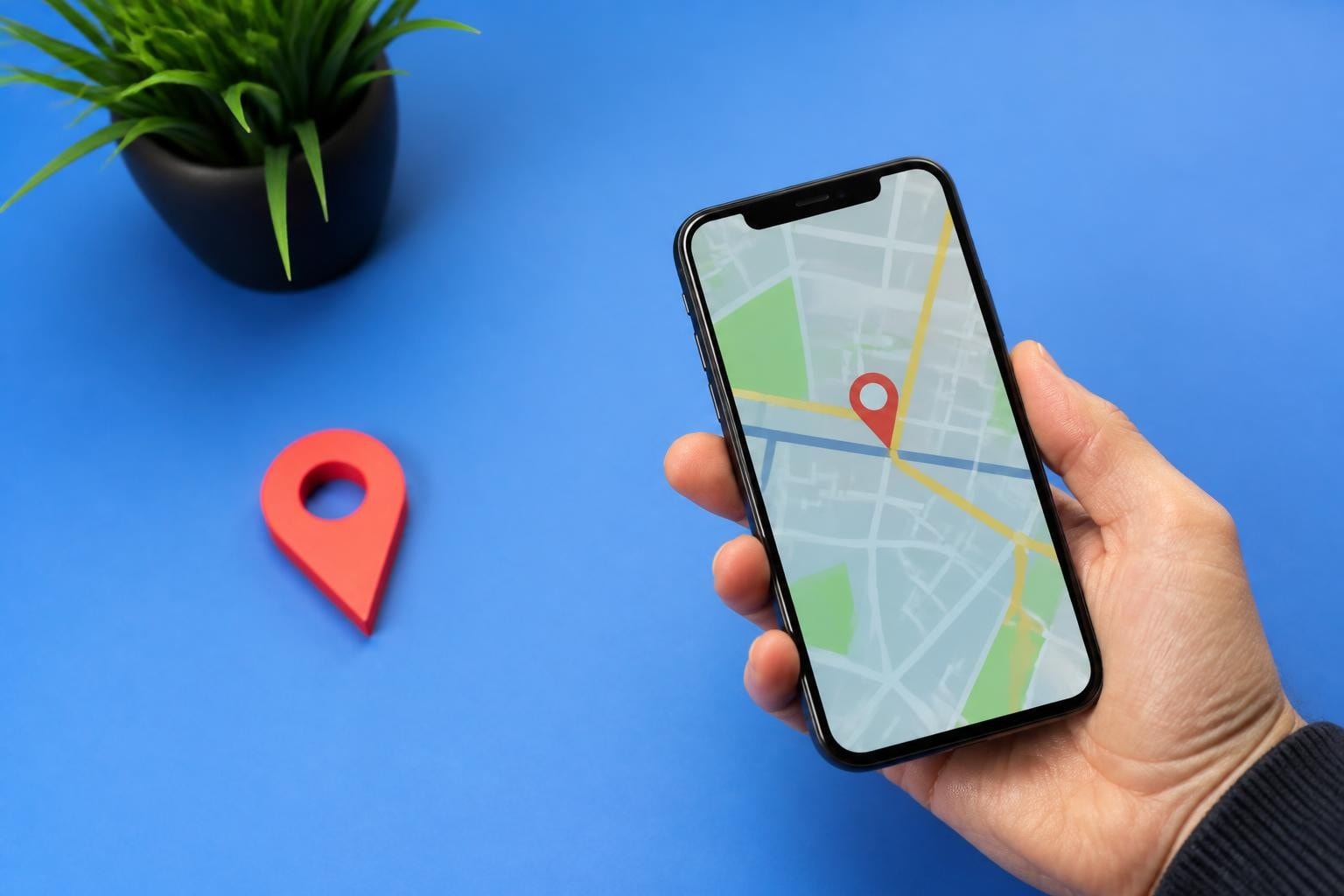
Local SEO for businesses has become a critical strategy for companies that want to attract customers in their geographic area. Whether you run a restaurant, dental practice, retail store, or service company, showing up when people search for what you offer nearby can make the difference between a full appointment calendar and an empty storefront. In 2026, mobile searches continue to dominate, and Google’s local pack results get more competitive every day. Understanding how to optimize your online presence for local discovery isn’t just helpful, it’s essential for survival and growth.
What Is Local SEO for Businesses and Why Does It Matter
Local SEO for businesses is the practice of optimizing your online presence to attract customers from specific geographic areas through organic search results. When someone searches “coffee shop near me” or “plumber in Manila,” Google uses location signals to show the most relevant nearby businesses. Unlike traditional SEO that targets broad national or global audiences, local SEO focuses on connecting you with people who can actually walk into your store or hire your services today.
The impact is measurable and immediate. Studies show that 78% of mobile local searches result in an offline purchase within 24 hours. That means when someone finds your business through local search, they’re already close to making a buying decision. You’re not just getting traffic, you’re getting qualified leads who are ready to convert.

Google Business Profile (formerly Google My Business) drives much of this traffic. When your profile is optimized, you appear in the local pack, the map results that show up above organic listings. These three spots get the majority of clicks for local searches. Missing from this section means missing customers.
The Core Elements That Make Local SEO Work
Several factors determine where you rank in local search results:
- Google Business Profile completeness and accuracy
- NAP consistency (Name, Address, Phone) across all online directories
- Online reviews and star ratings
- Local citations on directories like Yelp, Yellow Pages, and industry sites
- Location-specific keywords in your website content
- Mobile-friendly website with fast loading times
- Local backlinks from other businesses and organizations in your area
Each element reinforces the others. A complete Google Business Profile gets more clicks, which signals to Google that you’re relevant. Reviews build trust and improve rankings. Citations confirm your business exists and operates at the address you claim.
How to Optimize Your Google Business Profile for Maximum Visibility
Your Google Business Profile serves as your digital storefront in local search. Claim it immediately if you haven’t already, then optimize every field Google provides. Start with accurate business information: your exact business name, complete address, local phone number, and website URL. Consistency matters here because Google cross-references this data with information on your website and other directories.
Choose the right business categories. Your primary category should match what you do most, while secondary categories can cover additional services. A restaurant might select “Italian Restaurant” as primary and add “Pizza Delivery” and “Wine Bar” as secondary options. These categories determine what searches you appear for, so choose carefully based on what customers actually search.
| Profile Element | Why It Matters | Action Step |
|---|---|---|
| Business Name | First thing customers see | Use official name only, no keywords |
| Categories | Determines search eligibility | Pick most specific primary category |
| Photos | Increases engagement 42% | Upload 10+ high-quality images |
| Posts | Shows you’re active | Share updates weekly |
| Q&A | Answers common questions | Seed 5-10 questions yourself |
Upload photos regularly. Businesses with photos get 42% more requests for directions and 35% more clicks to their websites. Include exterior shots, interior views, products, team members, and work examples. Update these monthly to show you’re active and current.
Post updates weekly. Google Business Profile posts appear in your listing and can include offers, events, products, or general updates. They expire after seven days, so consistency matters. A restaurant might post the weekly special, a dentist could share oral health tips, and a retail store can highlight new inventory.
Enable messaging so customers can contact you directly through your profile. Respond within hours, not days. Fast responses improve your rankings and conversion rates.
Building Local Citations That Strengthen Your Rankings
Local citations are online mentions of your business name, address, and phone number on other websites. Think of them as votes of confidence that tell Google your business is real and operates where you say it does. BrightLocal’s research on local SEO shows that citation signals remain one of the top ranking factors for local pack results.
Start with the major data aggregators that feed information to hundreds of other sites:
- Infogroup (formerly Express Update)
- Neustar Localeze
- Foursquare
- Factual
Getting your information correct on these platforms helps ensure consistency across the wider web. Inconsistent NAP data (different phone numbers, slight address variations) confuses Google and weakens your rankings.
Where to Build Your First 20 Citations
Focus on quality over quantity. Start with directories that matter to both Google and your customers:
- Universal directories: Google Business Profile, Yelp, Facebook, Bing Places
- Local directories: Chamber of Commerce, city business listings, local news sites
- Industry directories: TripAdvisor for hospitality, Avvo for lawyers, Healthgrades for medical
- Philippines-specific (for local businesses): Philippine business directories that serve your market
For each citation, ensure your NAP matches exactly what appears on your website and Google Business Profile. Even small differences like “Street” vs “St.” or including suite numbers inconsistently can create problems. If you’re working with Local SEO services in the Philippines, this NAP cleanup is typically one of the first deliverables.

Creating Location-Specific Content That Drives Local Traffic
Your website content should speak directly to the local customers you want to attract. Generic content about your industry doesn’t help when someone searches “tax accountant in Quezon City” or “emergency plumber Makati.” You need pages, blog posts, and service descriptions that include location keywords naturally.
Create dedicated service area pages for each location you serve. If you operate in multiple cities, build a unique page for each one. Don’t just swap out the city name on duplicate content. Google penalizes that. Instead, discuss local landmarks, neighborhoods you serve, parking information, and area-specific customer concerns.
Structure your service pages to answer local search intent:
- Opening paragraph with service + location (e.g., “Our dental practice serves families throughout Pasig City”)
- Specific neighborhoods or barangays covered
- Local customer testimonials
- Directions and parking details
- Embedded Google Map
- Service area map showing coverage zones
Write blog content about local topics, events, and news related to your industry. A Manila-based marketing agency could write about “Digital Marketing Trends Among Philippine SMEs in 2026.” A Cebu restaurant might publish “Best Local Ingredients from Cebu Markets.” This content attracts local links, shares, and signals topical authority to Google.
Include your location in title tags, meta descriptions, H1 headings, and naturally throughout your content. But avoid keyword stuffing. “Best pizza Makati pizza Makati pizza restaurant Makati” reads poorly and gets penalized. Instead, write naturally: “Our wood-fired pizza has made us a favorite among Makati families since 2018.”
Managing Reviews to Build Trust and Rankings
Online reviews influence both customers and search algorithms. 93% of consumers read online reviews before choosing a local business, and Google uses review quantity, quality, and recency as ranking factors. More reviews with higher ratings generally mean higher rankings, though the relationship isn’t purely linear.
Ask satisfied customers for reviews, but do it the right way:
- Ask in person right after delivering great service
- Send a follow-up email with a direct link to your Google review page
- Make it easy by providing step-by-step instructions
- Never incentivize reviews with discounts or payments (violates Google policies)
Respond to every review, positive and negative. Thank customers for positive feedback with specific details about what they mentioned. For negative reviews, apologize for the experience, address the issue professionally, and offer to resolve it offline. How you handle criticism tells future customers and Google that you care about customer experience.
Turning Review Feedback Into Business Improvements
Reviews aren’t just for rankings, they’re market research. Look for patterns:
- What do customers praise most? (Highlight it in your marketing)
- What complaints appear repeatedly? (Fix the underlying problem)
- What questions come up often? (Answer them on your website and in posts)
This feedback loop improves both your business operations and your local SEO. When you fix issues customers complained about and those complaints stop appearing in new reviews, Google sees improving quality signals.
Technical SEO Foundations for Local Search Success
Local SEO for businesses requires solid technical foundations. Your website needs to load quickly, work perfectly on mobile devices, and give search engines clear location signals. In 2026, Core Web Vitals remain a ranking factor, and understanding how professional SEO marketing handles technical elements helps you compete effectively.
Implement local business schema markup on your website. This structured data tells Google explicitly what your business does, where you’re located, your hours, and other key details. Schema markup for local SEO includes several types:
| Schema Type | What It Covers | Impact |
|---|---|---|
| LocalBusiness | Basic info, location, hours | Required foundation |
| Service | Specific services offered | Shows in service searches |
| Review | Star ratings, review text | Displays rating in results |
| Organization | Company details, social profiles | Establishes entity |
Your NAP should appear in your website footer on every page, formatted consistently. Many businesses also add it to their contact page with schema markup and an embedded Google Map.
Ensure your website loads in under three seconds on mobile. Use tools like PageSpeed Insights to identify bottlenecks. Compress images, minimize CSS and JavaScript, enable browser caching, and consider a content delivery network (CDN) if you serve multiple regions.

Building Local Links That Signal Authority
Backlinks from other local businesses, organizations, and websites tell Google you’re an established part of your community. These local link signals carry more weight for local rankings than generic directory links or low-quality paid links. The role of backlinks in building a quality link profile applies equally to local SEO, though the source and context matter more.
Sponsor local events, charities, or sports teams. Sponsorships often include a link from the organization’s website. A link from your city’s marathon event page or local nonprofit carries strong local relevance signals. These relationships also build brand awareness in your community.
Get featured in local news and business publications. Pitch story ideas to local journalists about your business, industry trends, or community involvement. A single article in your city’s online newspaper can drive traffic and provide a valuable backlink.
Partner with complementary local businesses for cross-promotion. A wedding photographer might partner with local florists, caterers, and venues. Each business can feature the others on their websites with links. These relationships benefit all parties and create natural, relevant backlinks.
Local Link Building Tactics That Work in 2026
Try these proven strategies:
- Guest post on local business blogs and chambers of commerce websites
- Create local resources (guides, directories, maps) that other sites want to link to
- Participate in local business associations and get listed on their member directories
- Host workshops or webinars that local organizations promote with links
- Offer expert commentary to local journalists and bloggers
Avoid bulk directory submissions to low-quality sites. One link from a respected local source beats 100 links from spammy directories.
Tracking Local SEO Performance and Making Improvements
You can’t improve what you don’t measure. Track these key metrics to understand your local SEO performance:
- Google Business Profile insights: Views, searches, actions (calls, direction requests, website clicks)
- Local ranking positions for your target keywords in your service areas
- Organic traffic from local searches (filter by location in Google Analytics)
- Conversion rate from local visitors (calls, form fills, bookings)
- Review velocity (how many new reviews you get monthly)
Use Google Search Console to identify which local search terms drive impressions and clicks. Sort by location to see which cities or regions find you most. This helps you identify areas where you’re strong and areas needing more focus.
Set up conversion tracking for phone calls, form submissions, and booking systems. Understanding the synergy between intent and user experience helps you optimize not just for rankings but for actual business results.
Monthly Local SEO Audit Checklist
Perform these checks monthly:
- Verify your Google Business Profile information is still accurate
- Respond to all new reviews
- Check NAP consistency across top 20 citations
- Monitor local keyword rankings
- Analyze Google Business Profile insights trends
- Review and respond to questions on your profile
- Post at least 4 updates to your profile
- Check website speed and mobile usability
- Review backlink profile for new local links
- Identify and fix any technical SEO issues
Regular maintenance prevents small issues from becoming bigger problems. A citation with an old phone number, an unanswered negative review, or a broken mobile experience can cost you rankings and customers.
Common Local SEO Mistakes That Hurt Rankings
Even experienced businesses make these errors. Avoid them to protect your local visibility:
Using a P.O. Box or virtual office address. Google requires a physical location where customers can visit during stated hours. Virtual offices and mail boxes violate guidelines and can result in suspension.
Keyword stuffing your business name. Don’t change your official business name to “Best Pizza Manila #1 Pizza Restaurant.” Google penalizes this and may suspend your profile. Use your real, legal business name only.
Buying fake reviews. Google’s algorithms detect review fraud, and the penalties are severe. Your profile can be suspended, and recovering takes months. Focus on earning genuine reviews from real customers.
Neglecting mobile optimization. Over 60% of local searches happen on mobile devices. If your website doesn’t work perfectly on phones, you’re losing half your potential customers.
Inconsistent NAP across platforms. As discussed earlier, variations in your name, address, or phone number confuse Google and dilute your local signals. Standardize everything.
Ignoring negative reviews. Failing to respond makes you look uncaring. Potential customers judge businesses heavily on how they handle criticism. Always respond professionally and promptly.
Creating duplicate listings. Multiple Google Business Profiles for the same location confuses customers and violates Google’s guidelines. Merge or delete duplicates immediately.
How Local SEO for Businesses Continues Evolving
The local search landscape keeps changing. In 2026, several trends are shaping how local SEO for businesses works:
Voice search optimization grows more important as smart speakers and voice assistants handle more queries. Optimize for conversational, question-based keywords (“Where’s the nearest bakery?” instead of “bakery near me”).
Visual search lets customers find businesses by taking photos. Ensure your Google Business Profile photos are high-quality and your website images include descriptive alt text with location references.
AI and machine learning help Google understand user intent better. Focus on genuinely helpful content rather than keyword manipulation. How to optimize your site for AI search algorithms covers this evolution in detail.
Local inventory ads allow retailers to show real-time product availability in local search results. If you sell products, connecting your inventory system to Google can drive significant foot traffic.
Hyperlocal targeting becomes more precise. Google can serve different results to users just blocks apart based on their exact location and search history. Creating neighborhood-specific content helps you capture these micro-local searches.
The businesses winning at local SEO in 2026 are those that consistently execute the fundamentals (optimize profiles, earn reviews, build citations, create local content) while staying current with platform changes and new features. Resources like Moz’s local SEO guide and Search Engine Journal’s local SEO strategies help you stay informed as the landscape evolves.
Integrating Local SEO With Your Broader Marketing Strategy
Local SEO for businesses works best when integrated with your other marketing efforts. Your social media presence should reference your location and encourage check-ins and reviews. Your email marketing can ask satisfied customers to share their experience online. Your paid advertising should complement your organic local visibility.
Social media amplifies local SEO by building brand awareness and driving traffic. Post about local events, share customer photos (with permission), and engage with other local businesses. While social signals aren’t direct ranking factors, the brand searches and website visits they generate do impact rankings.
Email marketing supports review generation and repeat business. After a purchase or service, send a follow-up email thanking the customer and providing a direct link to leave a review. Make it a standard part of your customer journey.
Local paid advertising (Google Local Services Ads, Facebook local ads) can fill gaps while your organic presence builds. These paid channels work well for competitive industries where organic rankings take time to develop.
Consider your customer journey from awareness to conversion. Someone might see your Facebook post about a new service, search for your business name, find your optimized Google Business Profile, read reviews, visit your website, and call to book. Each touchpoint needs optimization for the journey to work smoothly.
Conclusion
Local SEO for businesses in 2026 combines technical optimization, consistent execution, and genuine customer focus to connect you with nearby customers ready to buy. The strategies covered here, from Google Business Profile optimization to citation building and review management, create a foundation for sustainable local visibility. If you need expert guidance implementing these tactics or want a comprehensive audit of your current local presence, Cyrel P. Nicolas brings nearly 15 years of SEO experience helping businesses improve their rankings and drive measurable results through proven optimization strategies.