
Search engine optimization remains one of the most cost-effective ways to grow your business online, but the strategies that worked five years ago won’t necessarily deliver results today. As Google’s algorithms become smarter and user expectations continue to rise, businesses need to stay current with proven techniques that actually move the needle. Whether you’re managing your own SEO or working with a professional, understanding these core principles will help you make better decisions and see measurable improvements in your organic traffic.
Why Search Engine Optimization Tips Matter More Than Ever
Search engine optimization tips are essential because Google processes over 8.5 billion searches every day, and most users never scroll past the first page of results. If your website isn’t ranking in those top positions, you’re missing out on potential customers who are actively searching for what you offer.
The landscape has shifted dramatically in recent years. Google now prioritizes user experience signals, mobile performance, and content quality over keyword stuffing and manipulative link schemes. Algorithm updates like the Helpful Content Update and Core Web Vitals have fundamentally changed how sites get ranked, making it crucial to focus on genuine value rather than quick tricks.
Understanding Modern Ranking Factors
Today’s ranking factors include technical performance, content relevance, user engagement, mobile responsiveness, and domain authority. Google’s AI-powered algorithms analyze hundreds of signals to determine which pages deserve top positions.
- Core Web Vitals measure loading speed, interactivity, and visual stability
- E-E-A-T (Experience, Expertise, Authoritativeness, Trustworthiness) evaluates content credibility
- User engagement metrics track how visitors interact with your pages
- Mobile-first indexing prioritizes the mobile version of your site
The shift toward semantic search means Google now understands context and intent, not just exact keyword matches. This requires a more sophisticated approach to SEO strategy and content creation.
Keyword Research That Delivers Traffic
The foundation of any successful SEO strategy starts with understanding what your audience actually searches for. Effective keyword research identifies terms with strong search volume, manageable competition, and clear commercial intent.
Start by analyzing your current traffic in Google Search Console to see which queries already bring visitors to your site. These existing rankings reveal opportunities to optimize further and capture more traffic from related searches.
How to Find High-Value Keywords
- Use keyword research tools like Google Keyword Planner, SEMrush, or Ahrefs
- Analyze competitor rankings to identify gaps in your content
- Look for long-tail variations with specific buyer intent
- Prioritize keywords based on search volume, difficulty, and relevance
- Group related keywords into content clusters
| Keyword Type | Search Volume | Competition | Best Use Case |
|---|---|---|---|
| Head Terms | High | Very High | Brand awareness, difficult to rank |
| Mid-Tail | Medium | Medium | Balanced opportunity, good ROI |
| Long-Tail | Low-Medium | Low | Conversion-focused, easier wins |
Don’t ignore search intent when selecting keywords. A term like “SEO services” indicates someone researching options, while “hire SEO specialist Philippines” shows they’re ready to take action. Focus your conversion-oriented pages on keywords with clear commercial or transactional intent.

On-Page Optimization Fundamentals
On-page SEO ensures search engines can understand and rank your content effectively. This involves optimizing individual page elements to match both user needs and search engine requirements.
Your title tag remains one of the most important ranking factors. Keep it under 60 characters, include your target keyword near the beginning, and make it compelling enough to earn clicks. Meta descriptions don’t directly impact rankings, but they significantly influence click-through rates from search results.
Essential On-Page Elements
Every page should have a clear hierarchy using header tags (H1, H2, H3) that organize content logically. Include your target keyword in the H1 and naturally throughout the content, but avoid forced repetition that hurts readability.
- Write descriptive, keyword-rich URLs that indicate page content
- Optimize images with descriptive alt text and compressed file sizes
- Use internal links to connect related content and distribute page authority
- Include structured data markup to enhance search result displays
- Ensure content thoroughly answers the searcher’s question
The first 100 words of your content carry extra weight. Address the main topic immediately and include your primary keyword naturally. This helps both users and search engines understand what the page offers right away.
Technical SEO That Boosts Performance
Technical SEO addresses the backend elements that affect how search engines crawl, index, and rank your site. Even exceptional content won’t rank well if technical issues prevent Google from accessing or understanding it.
Site speed directly impacts both rankings and user experience. Google confirmed that page speed is a ranking factor, and slow-loading pages suffer from higher bounce rates and lower conversions. Use tools like PageSpeed Insights to identify performance bottlenecks.
Critical Technical Fixes
Mobile optimization isn’t optional anymore. Google uses mobile-first indexing, meaning it primarily evaluates the mobile version of your site when determining rankings. Test your site on various devices and screen sizes to ensure it delivers a seamless experience.
Your XML sitemap acts as a roadmap for search engines, helping them discover and index all your important pages. Submit it through Google Search Console and update it regularly as you add new content.
| Technical Element | Why It Matters | Quick Check |
|---|---|---|
| SSL Certificate | Security ranking signal, builds trust | URL starts with https:// |
| Robots.txt | Controls crawler access | Visit yoursite.com/robots.txt |
| Canonical Tags | Prevents duplicate content issues | Check page source code |
| Schema Markup | Enhances search result displays | Test with Google’s Rich Results Tool |
Fix broken links and redirect chains that waste crawl budget and damage user experience. A clean site architecture with logical navigation helps both visitors and search engines find content efficiently.
Content Creation Strategies That Rank
Quality content forms the backbone of sustainable SEO success. Google’s algorithms increasingly reward comprehensive, helpful content that genuinely serves user needs over thin pages designed purely for search engines.
Creating outstanding content means going deeper than your competitors. If the top-ranking articles offer 500 words, aim for 1,500+ words that cover the topic more thoroughly, include original insights, and provide actionable takeaways.
Building Content That Converts
Start with a clear understanding of what your audience wants to know. Use tools like AnswerThePublic and Google’s “People Also Ask” feature to identify common questions and subtopics related to your main keyword.
Fresh content signals to Google that your site is active and relevant. Establish a consistent publishing schedule rather than creating sporadic bursts of content followed by long gaps.
- Include original research, data, or case studies when possible
- Use visuals like screenshots, charts, and diagrams to enhance understanding
- Write in a conversational tone that matches how your audience searches
- Address searcher intent completely before pushing for conversions
- Update existing content regularly to maintain accuracy and freshness
For those running WordPress sites, proper optimization of your CMS can significantly improve how search engines interact with your content. WordPress SEO services can help ensure your platform is configured to maximize your content’s ranking potential through proper plugin configuration, theme optimization, and technical setup.

Link Building That Builds Authority
Backlinks remain one of Google’s strongest ranking signals because they indicate trust and authority. A link from another website acts as a vote of confidence, telling search engines your content provides value worth referencing.
Quality matters far more than quantity in 2026. A single link from a high-authority, relevant site carries more weight than dozens of links from low-quality directories or unrelated blogs. Focus your efforts on earning links from reputable sources within your industry.
Effective Link Acquisition Methods
- Create linkable assets like original research, comprehensive guides, or useful tools
- Reach out to relevant websites that might benefit from referencing your content
- Build relationships with journalists and bloggers in your niche
- Contribute guest posts to authoritative sites (when genuinely valuable)
- Monitor brand mentions and request links when you’re referenced without one
Avoid black-hat tactics like buying links, participating in link schemes, or using automated link-building tools. These manipulative practices can result in manual penalties that devastate your rankings and require months to recover from.
Natural link profiles include a mix of anchor text types: branded, exact match, partial match, and generic. Over-optimization with exact-match anchor text looks suspicious and can trigger algorithmic filters.
Local SEO Tactics for Geographic Targeting
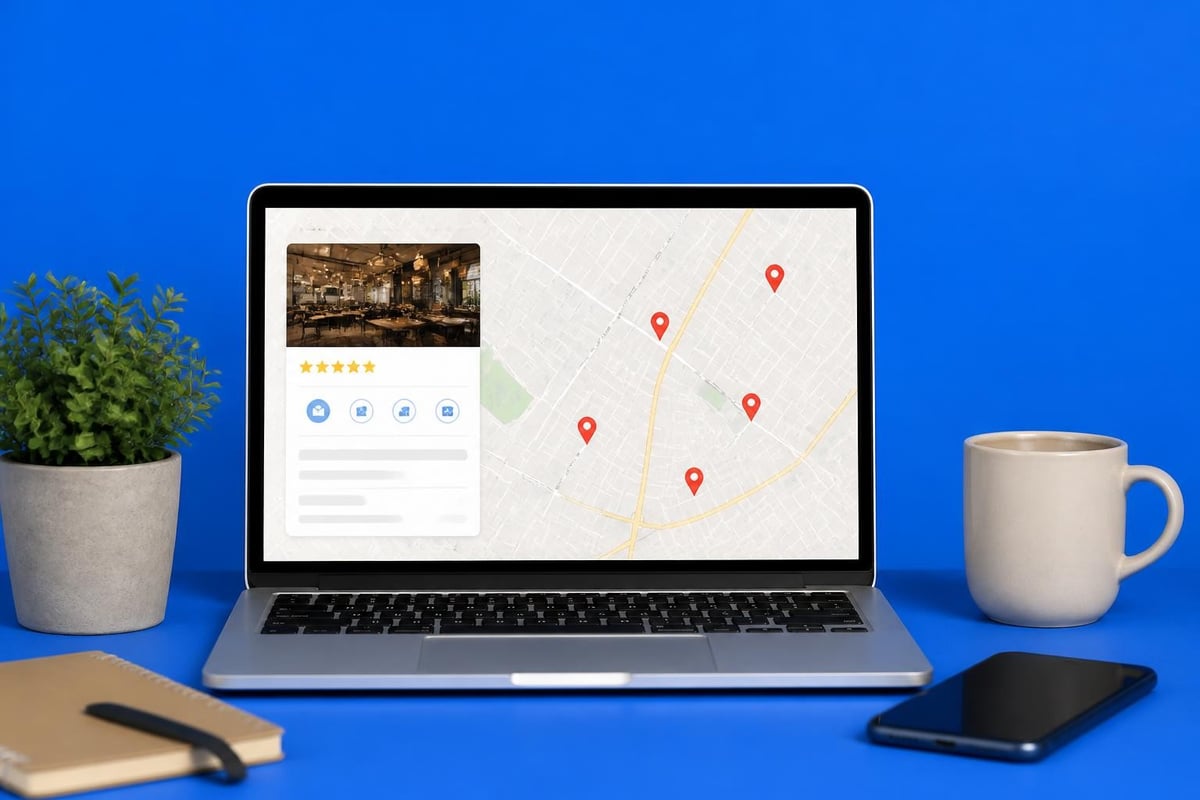
Businesses serving specific geographic areas need to optimize for local search results. Local SEO helps you appear in the Map Pack, local organic results, and location-based searches that include city or regional terms.
Your Google Business Profile is the foundation of local visibility. Claim and verify your listing, complete every section thoroughly, and keep information accurate and up-to-date. Inconsistent business information across the web confuses search engines and damages local rankings.
Optimizing for Local Search
- Ensure NAP (Name, Address, Phone) consistency across all citations
- Encourage customer reviews on Google and other relevant platforms
- Include location-based keywords naturally in your content
- Create location-specific landing pages for multiple service areas
- Build local citations in relevant directories and industry sites
Respond to all reviews, both positive and negative, to demonstrate active engagement with customers. This builds trust with potential customers and signals to Google that you maintain your business presence.
Measuring SEO Success With Analytics
Tracking the right metrics helps you understand what’s working and where to focus your efforts. Without proper measurement, you’re essentially optimizing blind and can’t make data-driven decisions.
Google Search Console provides invaluable insights directly from Google about how your site performs in search results. Monitor impressions, clicks, average position, and click-through rate for your target keywords.
Key Performance Indicators to Track
| Metric | What It Measures | Why It Matters |
|---|---|---|
| Organic Traffic | Visitors from search engines | Overall SEO health and growth |
| Keyword Rankings | Position for target terms | Progress toward visibility goals |
| Click-Through Rate | Percentage who click your result | Title/description effectiveness |
| Bounce Rate | Visitors leaving immediately | Content relevance and quality |
| Conversion Rate | Visitors completing desired actions | Business impact and ROI |
Google Analytics reveals how visitors behave after reaching your site. Track metrics like pages per session, average session duration, and goal completions to understand whether your traffic converts.
Don’t obsess over rankings alone. A page ranking #3 that converts at 5% delivers better business results than a #1 ranking with 1% conversion rate. Focus on metrics that tie directly to revenue and business growth.
Set up regular reporting to monitor trends over time. SEO is a long-term strategy, and meaningful results often take 3-6 months to materialize. Consistent monitoring helps you spot issues early and capitalize on opportunities quickly.
Search Engine Optimization Tips for E-Commerce
E-commerce sites face unique SEO challenges with thousands of product pages, inventory changes, and intense competition. Applying proven SEO best practices specific to online stores can significantly improve visibility and sales.
Product pages need unique descriptions even when manufacturers provide standard copy. Duplicate content across multiple e-commerce sites hurts your ability to rank. Write original descriptions that highlight benefits, answer common questions, and include relevant keywords naturally.
Optimizing Online Store Performance
Category pages often represent your best ranking opportunities for competitive commercial keywords. Optimize them with substantial unique content that explains product types, buying considerations, and brand comparisons.
- Implement faceted navigation carefully to avoid duplicate content issues
- Use canonical tags to consolidate similar pages with filter combinations
- Add customer reviews to product pages for fresh, unique content
- Optimize product images with descriptive filenames and alt text
- Create buying guides and comparison content targeting research-stage queries
Schema markup for products, reviews, pricing, and availability helps your listings stand out in search results with rich snippets. These enhanced displays improve click-through rates and can showcase star ratings directly in search results.
Common SEO Mistakes to Avoid
Even experienced marketers sometimes fall into traps that undermine their SEO efforts. Understanding these common mistakes helps you avoid wasting time and resources on counterproductive tactics.
Keyword stuffing damages both rankings and user experience. Forcing your target keyword into every paragraph creates awkward content that readers dislike and that Google’s algorithms easily identify as manipulative.
Ignoring mobile users is a critical error when over 60% of searches now happen on mobile devices. Sites that don’t provide excellent mobile experiences lose rankings and frustrate potential customers.
Pitfalls That Hurt Rankings
- Neglecting technical issues like slow loading speeds or broken pages
- Creating thin content that doesn’t thoroughly address topics
- Building low-quality links from irrelevant or spammy sites
- Ignoring user intent and focusing only on keywords
- Copying content from other sources instead of creating original material
- Setting and forgetting instead of continuously optimizing
Don’t expect overnight results or fall for promises of quick rankings. Sustainable SEO requires patience and consistent effort over months, not days. Services promising #1 rankings in weeks typically use risky tactics that can result in penalties.
Failing to update old content leaves opportunities on the table. Refresh high-performing pages regularly with new information, updated statistics, and improved optimization to maintain and improve rankings.
Advanced Search Engine Optimization Tips
Once you’ve mastered the fundamentals, advanced tactics can give you a competitive edge in crowded markets. These strategies require more effort but often deliver disproportionate results.
Topic clusters organize content around pillar pages and supporting articles. Create a comprehensive guide on a broad topic, then link to detailed subtopic pages that explore specific aspects in depth. This structure demonstrates topical authority and helps search engines understand content relationships.
Voice search optimization becomes increasingly important as smart speakers and voice assistants gain adoption. Target conversational long-tail keywords and question phrases that match how people speak rather than type.
Leveraging Emerging Opportunities
Featured snippets appear at the top of search results and capture significant click-through rates. Structure content to directly answer questions with clear, concise paragraphs or lists that Google can easily extract.
- Optimize for “People Also Ask” boxes by addressing related questions
- Implement FAQ schema to increase chances of rich result displays
- Create content targeting zero-click searches to build brand awareness
- Optimize for Google Discover by focusing on trending topics in your niche
- Use entity optimization by clearly defining people, places, and things
Video content increasingly appears in standard search results, not just YouTube. Optimize video titles, descriptions, and transcripts with relevant keywords to capture this growing opportunity.
AI-powered search tools like ChatGPT and Google’s AI Overviews are changing how users find information. Focus on comprehensive, authoritative content that AI systems will reference when answering queries in your topic area.
Conclusion
These search engine optimization tips provide a solid foundation for improving your rankings, traffic, and online visibility. Success requires consistent application of proven strategies, regular monitoring of results, and willingness to adapt as search engines evolve. If you need expert guidance implementing these tactics or want a customized strategy for your specific business goals, Cyrel P. Nicolas brings nearly 15 years of SEO experience helping businesses achieve measurable growth through effective optimization techniques. Reach out today to discuss how professional SEO services can accelerate your results.