
An SEO services blog is more than just a collection of articles on a company website. It serves as the primary tool for demonstrating expertise, attracting qualified leads, and building long-term authority in a competitive market. For SEO professionals and agencies, maintaining a blog that ranks well and converts visitors into clients requires strategic planning, consistent execution, and a deep understanding of what potential customers actually search for. Every post should serve a dual purpose: educating readers while positioning your business as the go-to solution for their SEO challenges.
Why an SEO Services Blog Matters for Client Acquisition
An SEO services blog functions as your always-on sales representative, working 24/7 to attract potential clients who are actively searching for solutions. Unlike paid advertising, organic content continues to generate leads months and years after publication, creating compounding returns on your content investment.
Blog content allows you to address specific pain points at different stages of the buyer journey. Someone searching for "what is technical SEO" needs educational content, while a query like "hire SEO consultant Philippines" signals purchase intent. Your blog should cover both extremes and everything in between.

The Trust Factor in SEO Service Selection
Most businesses struggle to evaluate SEO competence before hiring. Your blog solves this problem by demonstrating expertise through actual results and detailed explanations. When you break down complex topics like schema markup, Core Web Vitals, or link building strategies, readers can assess your knowledge firsthand.
This transparency builds credibility faster than any About page or testimonial section. Potential clients see how you think, how you solve problems, and whether your approach aligns with their business needs. According to research on authoritative sources, demonstrating subject matter expertise through detailed, accurate content significantly impacts trust and conversion rates.
Content Strategy for an SEO Services Blog
The most effective seo services blog content balances evergreen topics with timely updates, creating a library that serves both new visitors and returning readers. Your strategy should identify core topics that showcase your expertise while targeting keywords your ideal clients actually use.
Start by mapping your services to search intent:
- Technical SEO → articles about site speed, crawlability, indexation issues
- Content Marketing → guides on keyword research, content creation, topical authority
- Link Building → strategies for earning backlinks, relationship building, outreach
- Local SEO → location-based optimization, Google Business Profile management
- Analytics → tracking ROI, conversion optimization, data-driven decisions
Each category should contain multiple content types: how-to guides, case studies, industry analysis, tool reviews, and thought leadership pieces. This variety keeps readers engaged and improves your chances of ranking for different query types.
Topic Clusters and Internal Linking
Organize your seo services blog using topic clusters rather than random posts. Create comprehensive pillar pages for major topics, then write supporting articles that link back to the pillar and to each other.
| Content Type | Purpose | Example Topics |
|---|---|---|
| Pillar Page | Comprehensive overview | "Complete Guide to Technical SEO" |
| Cluster Content | Deep dive into specifics | "How to Fix Crawl Errors in Google Search Console" |
| Supporting Posts | Related subtopics | "XML Sitemap Best Practices for Large Websites" |
This structure helps search engines understand your content relationships while keeping visitors on your site longer. Every internal link passes authority and creates additional paths for discovery.
Writing Blog Posts That Rank and Convert
Creating content that performs well requires understanding both search algorithms and human psychology. Your articles need to satisfy Google's ranking factors while persuading readers to take action. This balance separates mediocre content from high-performing assets.
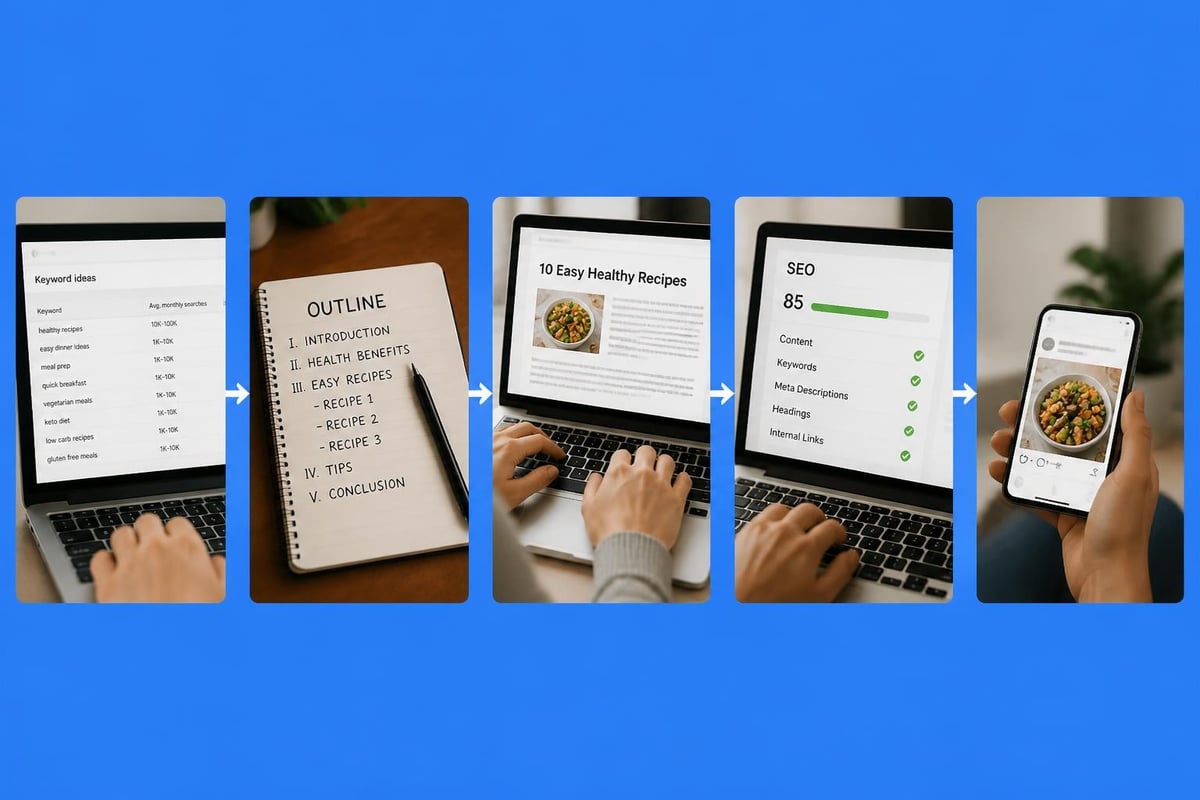
Start with thorough keyword research. Identify terms your target audience uses, not just industry jargon. A small business owner might search "why isn't my website showing up on Google" rather than "technical SEO audit." Both deserve content, but the language and depth will differ significantly.
Structure for Readability and SEO
Well-structured content serves both readers and search engines. Break long articles into scannable sections with descriptive headings that include target keywords naturally. Use short paragraphs, bullet points, and visual elements to maintain engagement.
For example, when explaining how to master SEO for your website, organize information logically:
- Define the problem clearly in your introduction
- Provide context about why it matters
- Offer actionable solutions with specific steps
- Include examples from real projects
- Summarize key takeaways for quick reference
This framework works for virtually any topic while maintaining reader attention throughout longer pieces.
Balancing Depth with Accessibility
Technical accuracy matters, but overwhelming readers with jargon kills engagement. Explain complex concepts using analogies and plain language. When you must use technical terms, define them clearly the first time they appear.
Consider your audience's knowledge level. A blog post about link building strategies for beginners needs different treatment than advanced tactics for experienced marketers. Segment your content library to serve multiple experience levels without confusing either group.
Measuring Blog Performance and ROI
An seo services blog only succeeds if it drives measurable business results. Track metrics beyond vanity numbers like page views. Focus on engagement, lead generation, and actual revenue attribution.
Key performance indicators for blog content:
- Organic traffic growth over time
- Keyword rankings for target terms
- Time on page and scroll depth
- Conversion rate from blog to contact form
- Assisted conversions in attribution reports
- Backlinks earned per article
- Social shares and engagement
Set up proper tracking in Google Analytics and Search Console. Tag your blog links with UTM parameters to understand which articles drive the most qualified leads. Many SEO professionals use tools from the best SEO tool lists to monitor these metrics efficiently.
Content Refresh Strategy
High-performing articles deserve regular updates to maintain rankings and relevance. Search engines favor fresh, accurate content. Schedule quarterly reviews of your top 20 blog posts to:
- Update statistics and examples
- Add new sections covering recent developments
- Remove outdated information
- Improve internal linking
- Enhance images and formatting
This maintenance takes less effort than creating new content while often delivering better ROI. A refreshed article already has authority and backlinks, making it easier to improve or maintain rankings.
| Update Type | Frequency | Impact Level |
|---|---|---|
| Statistics refresh | Quarterly | Medium |
| Major content additions | Bi-annually | High |
| Link updates | Annually | Low |
| Complete rewrites | As needed | Very High |
Learning from Top SEO Blogs
Studying successful SEO publications reveals patterns worth emulating. Leading SEO blogs consistently demonstrate certain characteristics: comprehensive research, original insights, practical examples, and regular publishing schedules.
The Semrush Blog excels at combining data-driven insights with actionable advice, while Backlinko pioneered the in-depth guide format that still dominates search results today. These publications invest heavily in original research, creating linkable assets that attract natural backlinks.
What you can adapt for your SEO services blog:
- Publish comprehensive guides (3,000+ words) on core topics
- Include original data from client projects (anonymized)
- Create visual assets like infographics and custom images
- Interview industry experts to add unique perspectives
- Document case studies showing specific results
You don't need their resources to implement their strategies. Start with one pillar post per quarter, gradually building a content library that competes with established publications in your niche.
Finding Your Unique Angle
Every successful blog has a distinct voice or perspective. Identify what makes your approach different. Perhaps you specialize in a particular industry, use proprietary methodologies, or focus on ethical SEO practices that avoid shortcuts.
This differentiation becomes your content positioning. If you serve local businesses exclusively, every article should address concerns specific to that market. Regional SEO nuances, local link building tactics, and community-focused content strategies separate your blog from generic SEO advice.
For those operating in specific markets, like offering Local SEO services, this geographical focus provides natural content angles that national competitors can't easily replicate.
Promoting Your SEO Services Blog Content
Publishing great content means nothing if nobody sees it. Promotion deserves equal attention to creation. Develop distribution channels that reach your target audience where they already spend time.
Effective promotion channels for SEO content:
- Email newsletters to your existing database
- LinkedIn posts targeting business decision-makers
- Industry forums and communities (provide value, don't spam)
- Guest posts on complementary blogs
- Podcast appearances discussing your expertise
- Outreach to sites that might find your content linkable
The SEO.com blog demonstrates effective content promotion by leveraging multiple channels simultaneously. Each new article gets distributed through email, social media, and strategic partnerships, multiplying its reach beyond organic search alone.
Building an Email List from Blog Traffic
Convert blog visitors into subscribers by offering valuable lead magnets: SEO templates, checklists, exclusive guides, or tools. Email subscribers represent warm leads already interested in your expertise.
Segment your list based on content preferences. Someone who downloads a technical SEO checklist differs from someone requesting local SEO resources. Tailor follow-up sequences to match their demonstrated interests, gradually moving them toward a sales conversation.

Content Types That Perform Well for SEO Services
Diversifying content formats keeps your blog fresh while appealing to different learning preferences. Some readers prefer step-by-step tutorials, others want quick reference guides, and many appreciate deep analysis of industry trends.
High-performing content formats:
- Complete guides covering entire topics comprehensively
- Case studies showing specific client results and methodologies
- Tool reviews helping readers choose the right SEO software
- Industry analysis interpreting algorithm updates and trends
- Templates and frameworks readers can immediately apply
- Comparison posts evaluating different approaches or services
- Video transcripts expanding your content into multiple formats
The most successful seo services blog maintains variety while staying focused on core expertise. Following examples from reputable SEO blogs shows that consistency in quality matters more than posting frequency.
Video and Multimedia Integration
Text-only content limits your reach. Many professionals prefer video explanations or audio content they can consume while multitasking. Repurpose your best blog posts into:
- Tutorial videos demonstrating techniques visually
- Podcast episodes discussing concepts in conversation format
- Infographics summarizing key points visually
- Slide decks for presentation sharing on SlideShare
- Interactive tools like ROI calculators or assessment quizzes
Each format extends your content's reach to different audience segments. A comprehensive blog post might generate 5-10 additional content pieces across various platforms, all driving traffic back to your main site.
Technical Optimization for Your Blog
Even the best content fails without proper technical foundation. Your blog's technical SEO directly impacts its ability to rank and convert visitors. Address these technical elements before scaling content production.
| Technical Element | Importance | Quick Win |
|---|---|---|
| Page Speed | Very High | Image compression, caching |
| Mobile Responsiveness | Critical | Responsive theme, mobile testing |
| URL Structure | High | Clean, keyword-rich URLs |
| Schema Markup | Medium | Article schema, FAQ schema |
| Internal Linking | Very High | Related post widgets, contextual links |
| XML Sitemap | Medium | Auto-generation, regular updates |
WordPress users should explore optimization options, as many businesses run their blogs on this platform. WordPress SEO requires specific considerations around plugins, themes, and performance that differ from other content management systems.
Security and User Experience
Search engines increasingly factor user experience signals into rankings. Slow load times, intrusive popups, and security warnings drive visitors away while harming your search visibility.
Implement HTTPS across your entire site, not just checkout or contact pages. Use a content delivery network (CDN) for faster global load times. Ensure your blog remains accessible and functional across all devices and browsers.
Monitor Core Web Vitals through Google Search Console. These metrics measure real user experience and directly influence rankings. Prioritize fixes that improve Largest Contentful Paint (LCP), First Input Delay (FID), and Cumulative Layout Shift (CLS).
Building Authority Through Consistent Publishing
Google rewards websites that publish quality content regularly. Consistency signals that your site remains active, relevant, and worthy of crawling frequently. Establish a publishing schedule you can maintain long-term.
Realistic publishing frequencies:
- Weekly: Ideal for building momentum quickly
- Bi-weekly: Sustainable for small teams
- Monthly: Minimum for maintaining visibility
- Quarterly: Only for extremely comprehensive pieces
Quality always trumps quantity, but complete inactivity hurts your blog's performance. If resources limit production, reduce frequency rather than compromising content quality. One excellent article monthly outperforms four mediocre posts.
The Reliablesoft blog demonstrates how consistent, high-quality publishing builds authority over time. Their regular schedule keeps readers returning while giving search engines fresh content to index.
Content Calendar Planning
Plan topics 3-6 months ahead, aligning with seasonal trends, algorithm updates, and business objectives. A content calendar prevents last-minute scrambling while ensuring strategic coverage of important topics.
Include these elements in your calendar:
- Target keyword for each article
- Expected word count and depth
- Internal linking opportunities
- Promotion channels and timeline
- Responsible team members
- Publication and update dates
This structure keeps everyone aligned while maintaining the strategic focus necessary for an effective SEO services blog. Review and adjust quarterly based on performance data and changing priorities.
Common Mistakes to Avoid
Even experienced marketers make errors that undermine blog performance. Recognizing these pitfalls helps you avoid wasted effort and missed opportunities.
Frequent blog mistakes:
- Publishing without keyword research or strategic intent
- Writing for search engines instead of humans
- Neglecting internal linking structure
- Ignoring content updates and maintenance
- Failing to track performance metrics
- Copying competitor content instead of adding unique value
- Overlooking mobile optimization
- Posting irregularly without planning
- Creating thin content that doesn't satisfy search intent
The most damaging mistake is abandoning your blog after a few months without seeing immediate results. SEO requires patience. Most blogs take 6-12 months of consistent effort before showing significant traffic growth.
Balancing SEO and Readability
Over-optimization makes content robotic and unengaging. While keyword placement matters, forced repetition drives readers away. Write naturally, then optimize during editing. Your primary audience is human; search engines come second.
Focus on comprehensive topic coverage rather than keyword density. Modern search algorithms understand context and semantic relationships. Thoroughly addressing a topic naturally includes related terms and variations without forced insertion.
Building an effective SEO services blog requires strategic planning, consistent execution, and patience to see results compound over time. By publishing valuable content that demonstrates expertise, optimizing for both search engines and human readers, and maintaining a regular schedule, your blog becomes a powerful lead generation engine that works continuously to attract and convert ideal clients. If you need expert guidance on implementing these strategies for your business, Cyrel P. Nicolas brings nearly 15 years of SEO experience helping businesses improve their online visibility, drive organic traffic, and convert visitors into customers through proven content marketing and optimization techniques.